The 15 Genesis games every shelf is measured against
Sega's attitude in cartridge form — the system-sellers, brawlers, and run-and-guns of the 16-bit rivalry.
Sign in to see how many of these 15 are already on your shelf.
How this list is made: hand-picked by a collector, then cross-checked against what each game actually costs and how it scores. Quality first, then what actually matters to own — no pay-to-rank, no affiliate order.
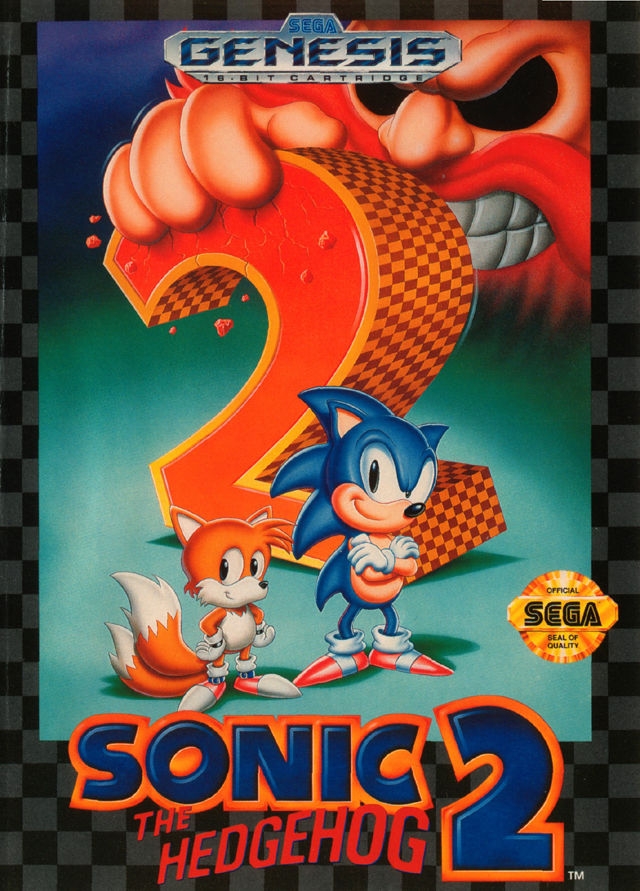
Sonic the Hedgehog 2
The definitive Sonic and the console's headline system-seller.
Sega Technical Institute built it alongside Sonic Team, with Dreams Come True bassist Masato Nakamura returning to score it. The spin dash and Tails, faster level design, and a marketing push that made "Sonic 2sday" a genuine retail event lifted it to the definitive 16-bit Sonic — the cart Sega leaned on to press its speed-versus-Mario pitch.
-
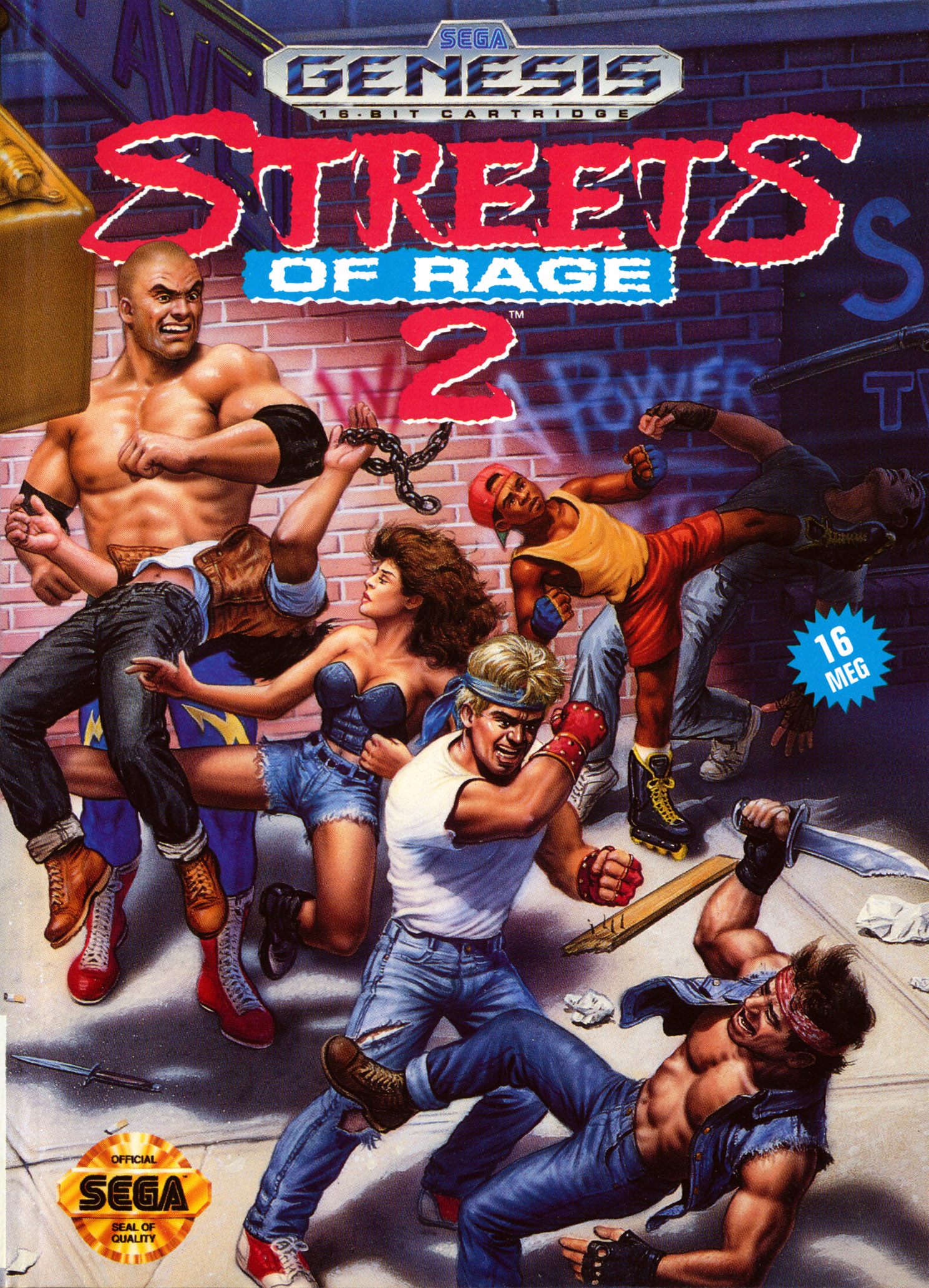
Streets of Rage 2
The beat-'em-up and soundtrack the platform is synonymous with.
Part-developed by Ancient — Yuzo Koshiro's own studio, with sister Ayano handling character art — it paired weighty, varied combat with Koshiro's dance-floor soundtrack, a real showcase for the console's FM sound hardware. It's the beat-'em-up the Genesis is synonymous with, and both the game and its music are still held up as the genre's 16-bit peak.
Great -
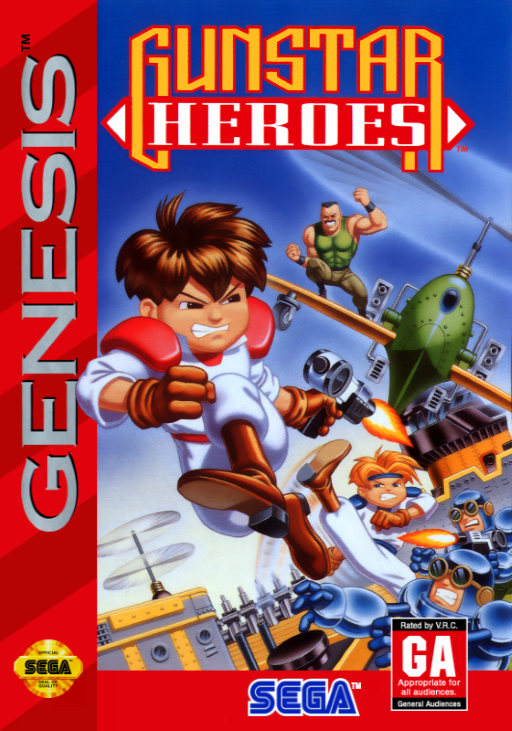
Gunstar Heroes
Treasure's run-and-gun showpiece — the hardware at full tilt.
Treasure's debut — a studio founded by ex-Konami staff — threw more on-screen action, boss ideas, and weapon-combining at the player than the hardware seemed built to handle, and made it run anyway over a frantic Norio Hanzawa score. It's the go-to demonstration of the Genesis at full tilt, and one of the most coveted run-and-gun carts in the whole library.
Great -
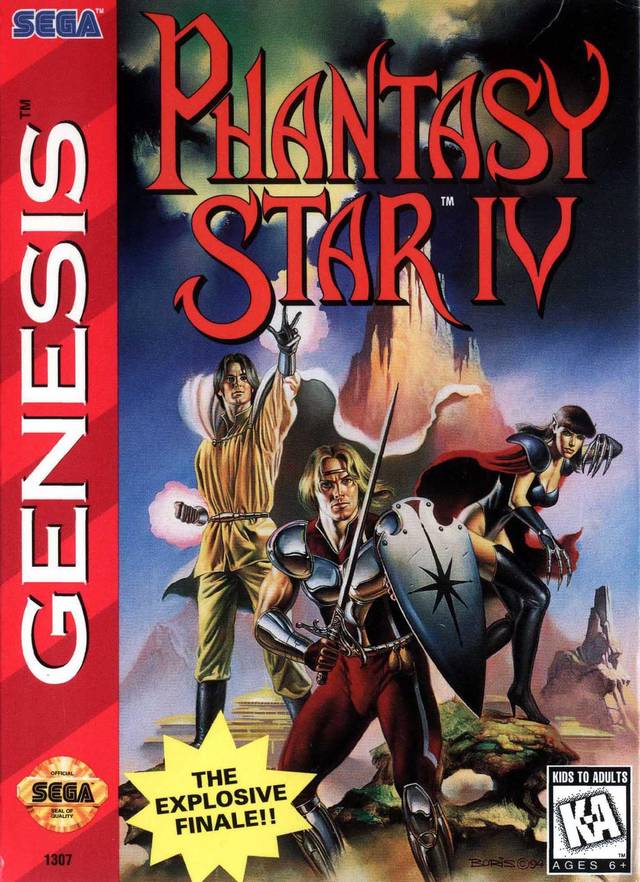
Phantasy Star IV: The End of the Millennium
The 16-bit RPG series finale; our top-tier Genesis entry.
Sega's 1995 North American release closed the 16-bit saga with combo skills, manga-style panel cutscenes, and battery-backed saving behind a script that ties the whole series together. It's routinely named the best RPG on the console, and a complete copy is one of the more prized Genesis carts collectors pursue.
Great -
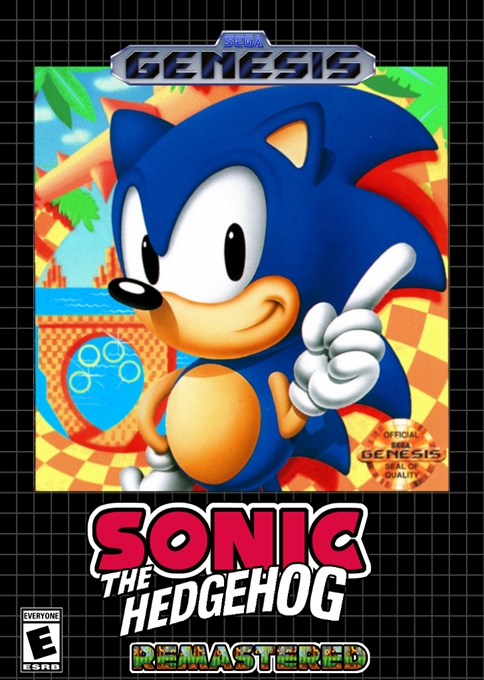
Sonic the Hedgehog
The mascot's debut that put Sega on the map.
Sonic Team's 1991 debut — Yuji Naka's speed-obsessed programming, Naoto Ohshima's character design, and another Masato Nakamura score — introduced the mascot, the loop-the-loop speed, and the attitude Sega built its 16-bit identity around, all as a pack-in that put the Genesis on the map opposite Nintendo. It's where the rivalry really started, and a baseline of any Genesis shelf.
Great -
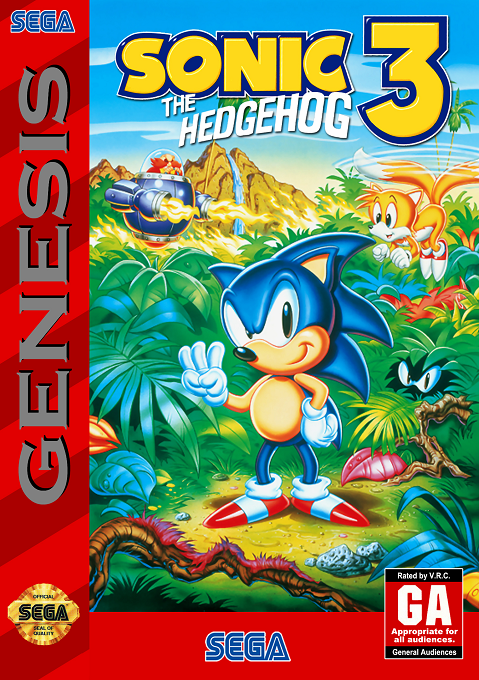
Sonic the Hedgehog 3
The lock-on-era Sonic; the ambitious third act.
Sega Technical Institute's 1994 release was the ambitious third act — a save feature, Knuckles, and the lock-on connector that let it physically combine with Sonic & Knuckles into one larger game. Split by its staggered release across two carts, it's still a high point of the run and a technically forward Genesis release.
Great -
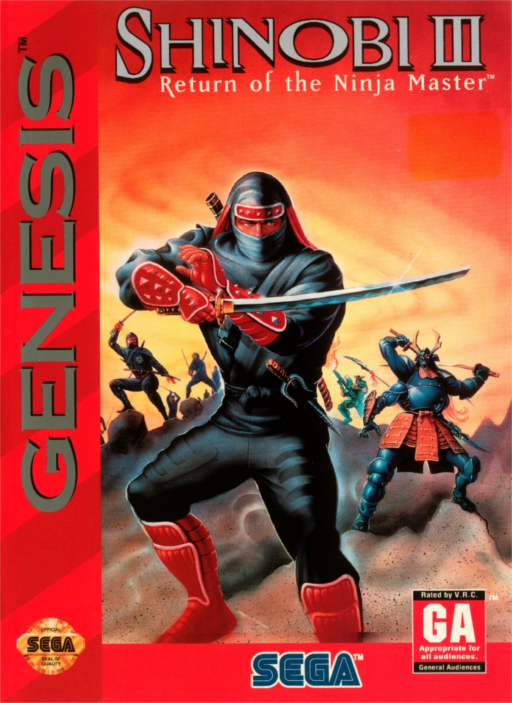
Shinobi III: Return of the Ninja Master
The peak of the console's action-ninja lineage.
Sega's 1993 release is the peak of the console's ninja-action lineage, with fluid movement, a wall-scaling dash, set-piece stages that keep the pace high, and a driving Hirofumi Murasaki score. It refined everything the earlier Genesis Shinobi games reached for, and it's a staple of the platform's action shelf.
Great -
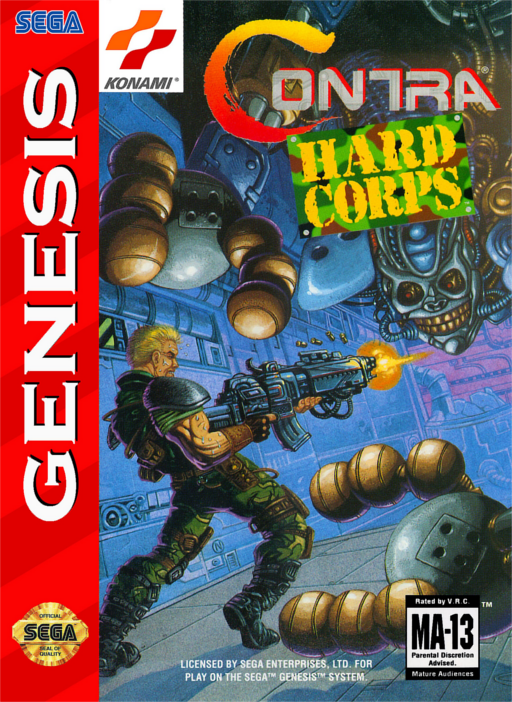
Contra: Hard Corps
Branching-path run-and-gun; the Genesis's answer to Contra III.
Konami's 1994 release brought the run-and-gun to the Genesis with branching story paths, multiple playable characters, and multiple endings. A collector's note: the North American cut stripped out the health bar the Japanese "Hard Corps" gave you, so it plays on brutal one-hit- death rules — the harder, faster take many series fans quietly prefer, and the console's answer to the SNES's Contra III.
Great -
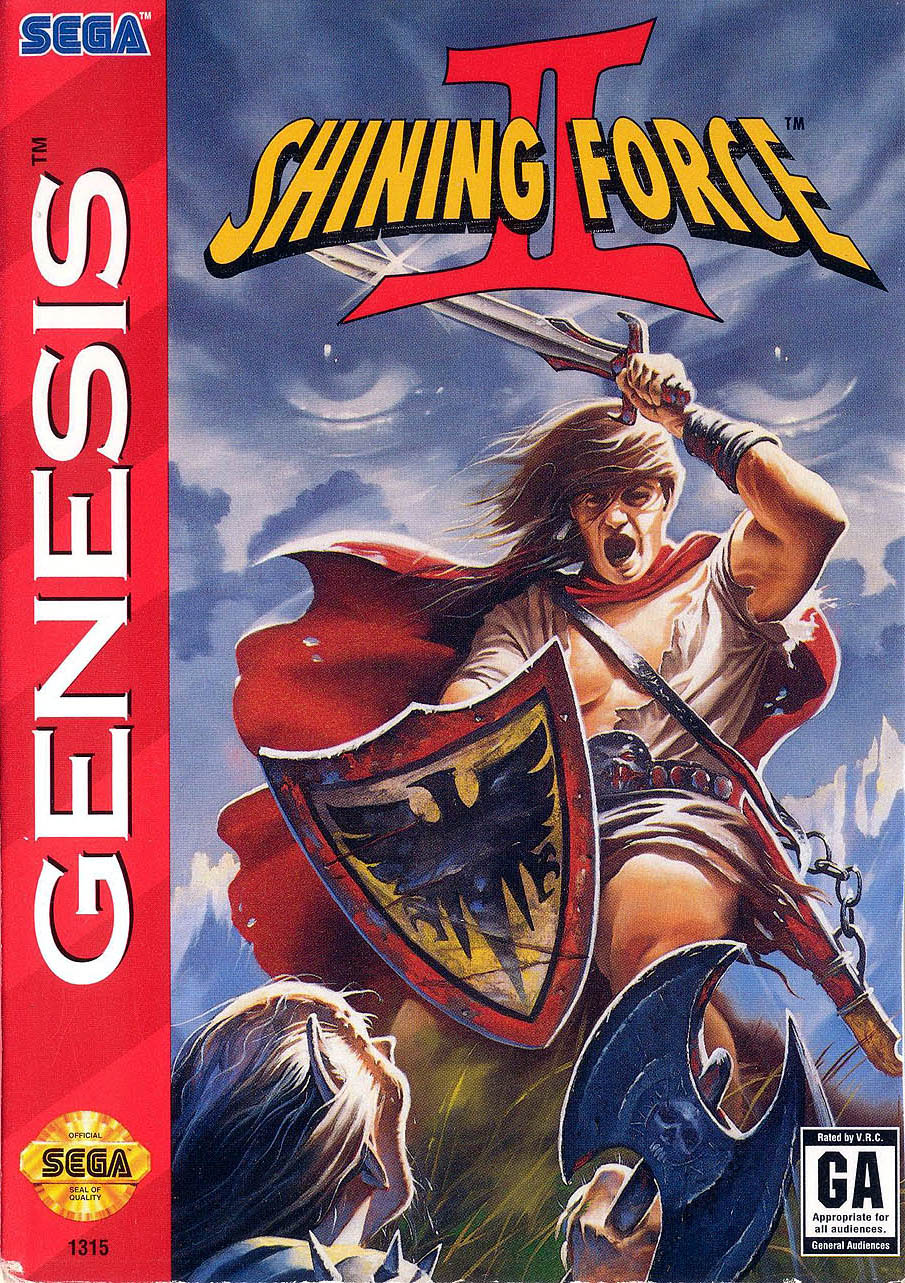
Shining Force II
The strategy-RPG the platform's tactics fans still name first.
Developed by Sonic! Software Planning — the studio that became Camelot — Sega's 1994 sequel deepened the tactical-RPG formula with larger grid battles, town exploration between fights, and a steady character-and-promotion loop. It's the strategy-RPG Genesis owners name first, and a cornerstone of the console's respectable RPG showing against its rival's library.
Great -
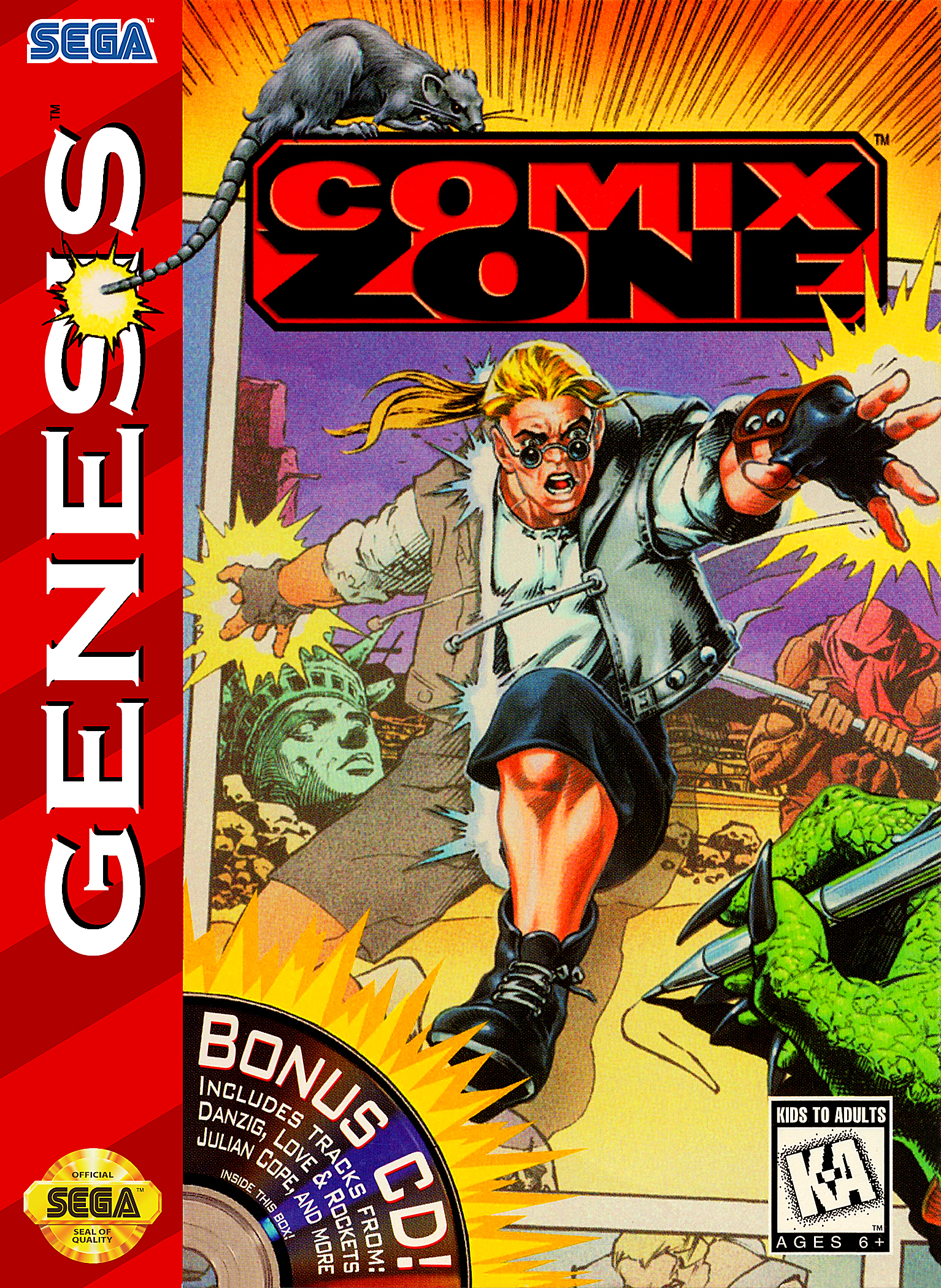
Comix Zone
Comic-panel brawler; one of the most visually distinctive carts.
Built by Sega Technical Institute in 1995, this brawler set its action inside the panels of a comic book, with the hero punching through pages and the artist's hand drawing hazards in live, over a Howard Drossin guitar score. Short and brutally hard, it's one of the most visually distinctive carts on the platform and a late-era technical flex.
Great -
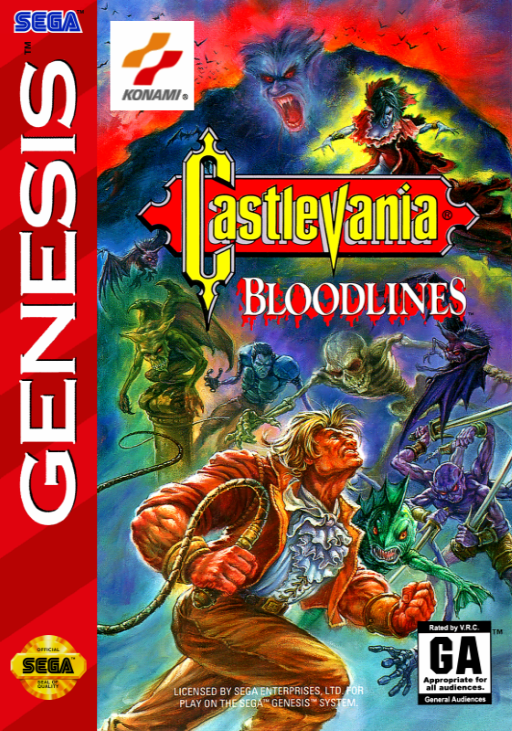
Castlevania: Bloodlines
The series' sole Genesis outing and a strong one.
Konami's 1994 release is the series' only original Genesis outing, moving the whip-and-sub- weapon action across a First World War-era European tour with two playable hunters — John Morris and Eric Lecarde — and hardware-specific visual tricks. It also carries an early Michiru Yamane score, years before her Symphony of the Night work. Distinct from its Nintendo cousins, it's a natural target for series collectors.
Great -
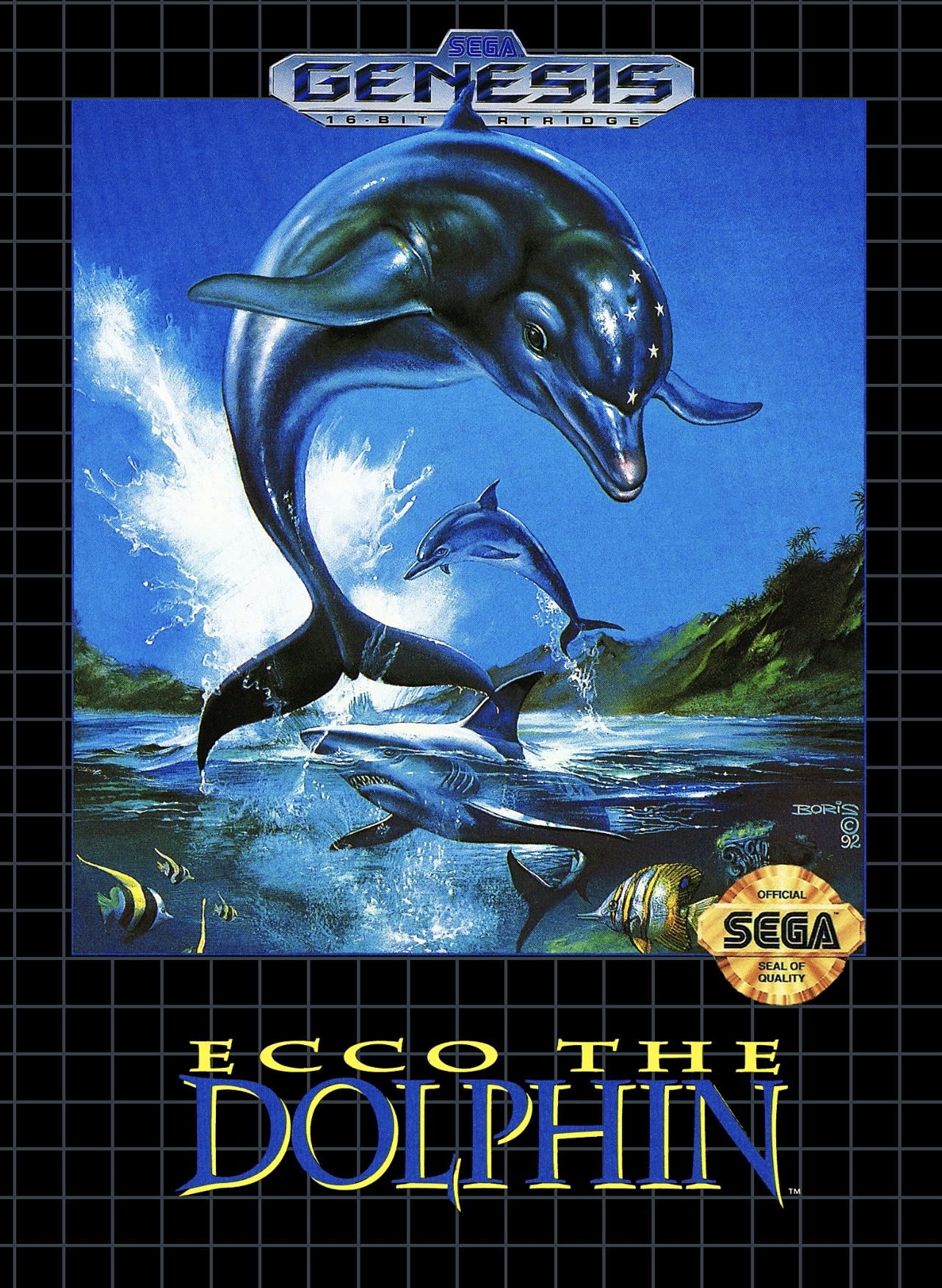
Ecco the Dolphin
Eerie, singular, and a defining Sega mascot experiment.
Ed Annunziata's 1992 design, built by Hungarian studio Novotrade, cast you as a dolphin navigating an eerie, near-wordless undersea world of sonar puzzles and lurking dread — nothing else on the Genesis plays or feels like it. Singular and famously tough, it became one of Sega's more memorable mascot experiments.
Great Mid-range -
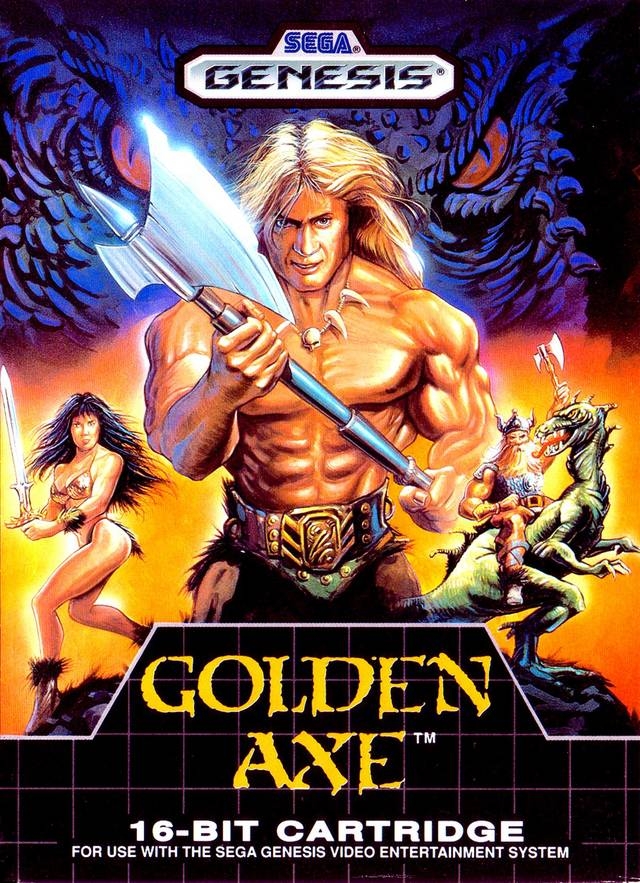
Golden Axe
Arcade fantasy brawler that anchored the early library.
Sega's 1989 conversion of its System 16 arcade fantasy brawler — designed by Makoto Uchida, who also made Altered Beast — anchored the early Genesis library, with three warriors, magic- summoning potions, and rideable beasts. As a near-launch showcase it helped define what the new hardware could bring home from the arcade, and it's a foundational cart in the collection.
Great -
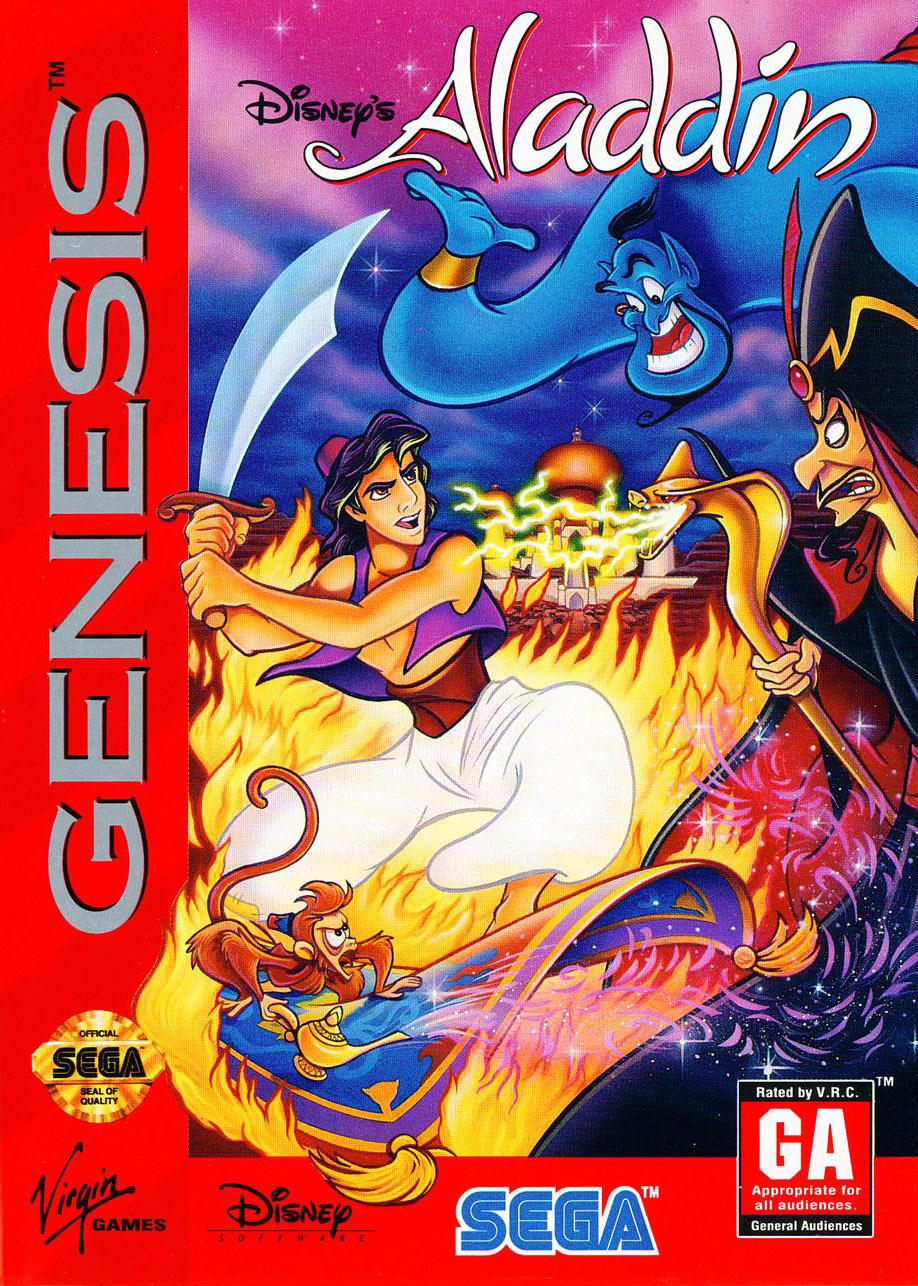
Disney's Aladdin
The high-water mark for licensed 16-bit platformers.
Virgin's 1993 release — David Perry's team working with Disney's own animators — drew on hand- drawn animation for fluid, film-accurate movement and let Aladdin swordfight as well as leap, over a Tommy Tallarico score. Distinct from the Capcom SNES game of the same name, it's often held up as the high point of 16-bit movie tie-ins on the Genesis.
Great -
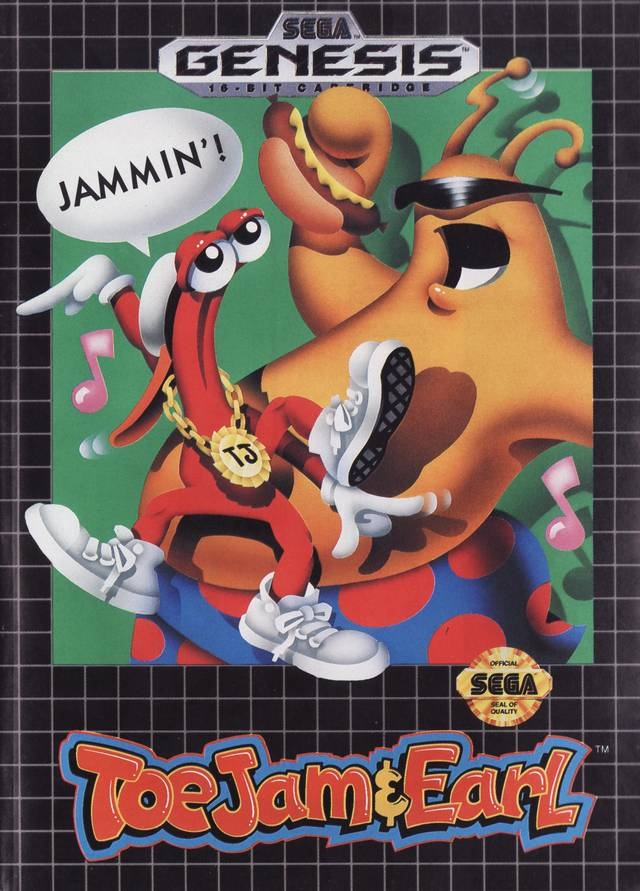
ToeJam & Earl
Funk, roguelike exploration, co-op — pure Genesis identity.
Greg Johnson and Mark Voorsanger's 1991 release — their Johnson Voorsanger Productions built it for Sega — mixed randomized, roguelike level exploration, a laid-back funk soundtrack, and drop-in co-op into something unmistakably of its moment. Odd where most mascots chased speed or muscle, it became a cult piece of the console's identity and a fondly-remembered co-op cart.
Great
Track your Genesis canon.
15 games, one free shelf. See which you already own.
Free forever. No trial. No credit card.