The 15 SNES games every shelf is measured against
Sixteen-bit Nintendo at its peak — the RPGs, platformers, and one-offs that defined the era.
Sign in to see how many of these 15 are already on your shelf.
How this list is made: hand-picked by a collector, then cross-checked against what each game actually costs and how it scores. Quality first, then what actually matters to own — no pay-to-rank, no affiliate order.
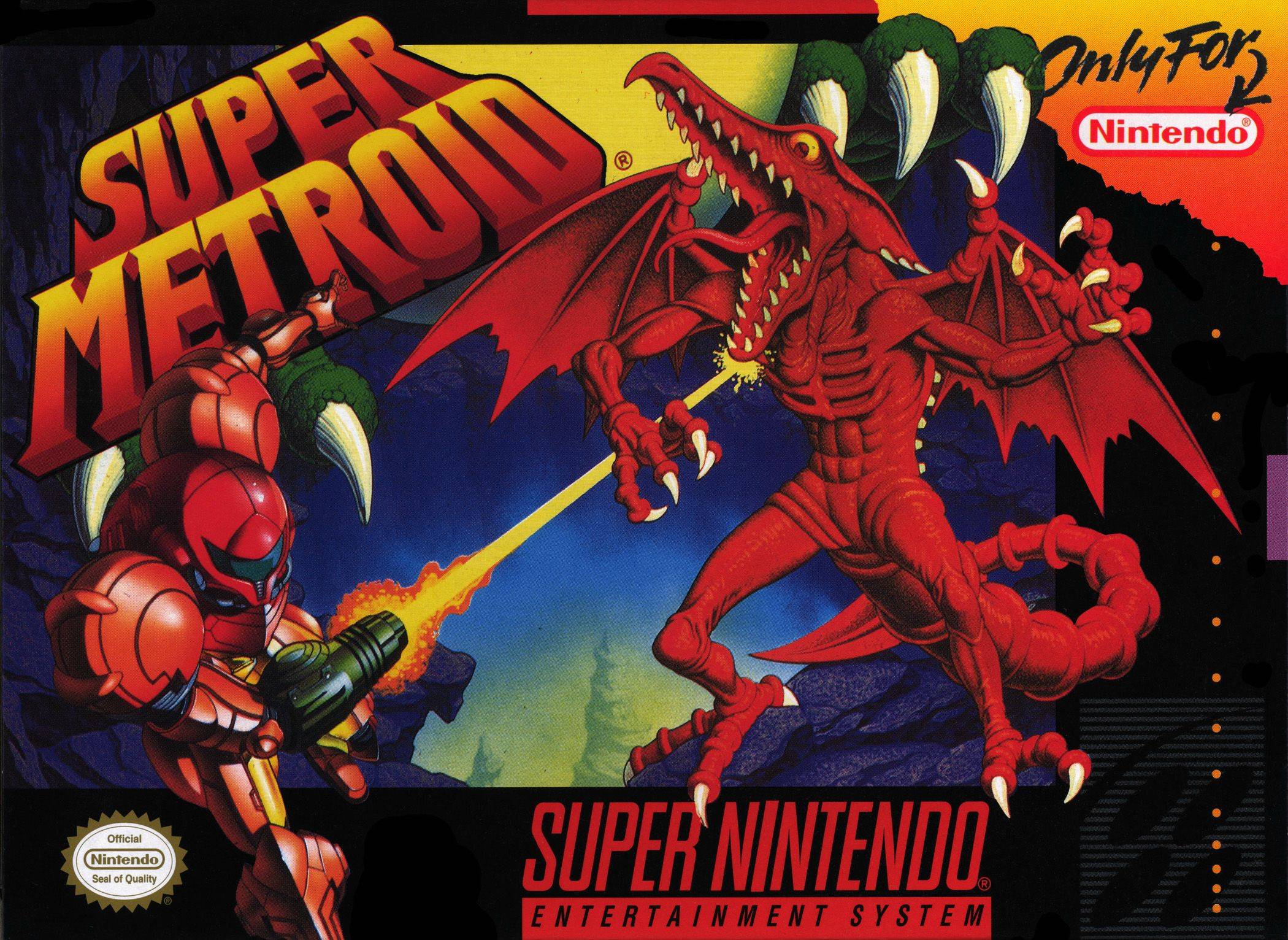
Super Metroid
The atmosphere-and-map benchmark the whole genre still cites.
Nintendo R&D1's 1994 release turned Planet Zebes into an interconnected map you learn by heart, letting Kenji Yamamoto and Minako Hamano's brooding score carry long stretches with almost no on-screen text. Shipped on a then-large 24-megabit cart with the auto-map that became genre shorthand, its upgrade pacing and mood are still cited as the benchmark by the genre it helped name.
-
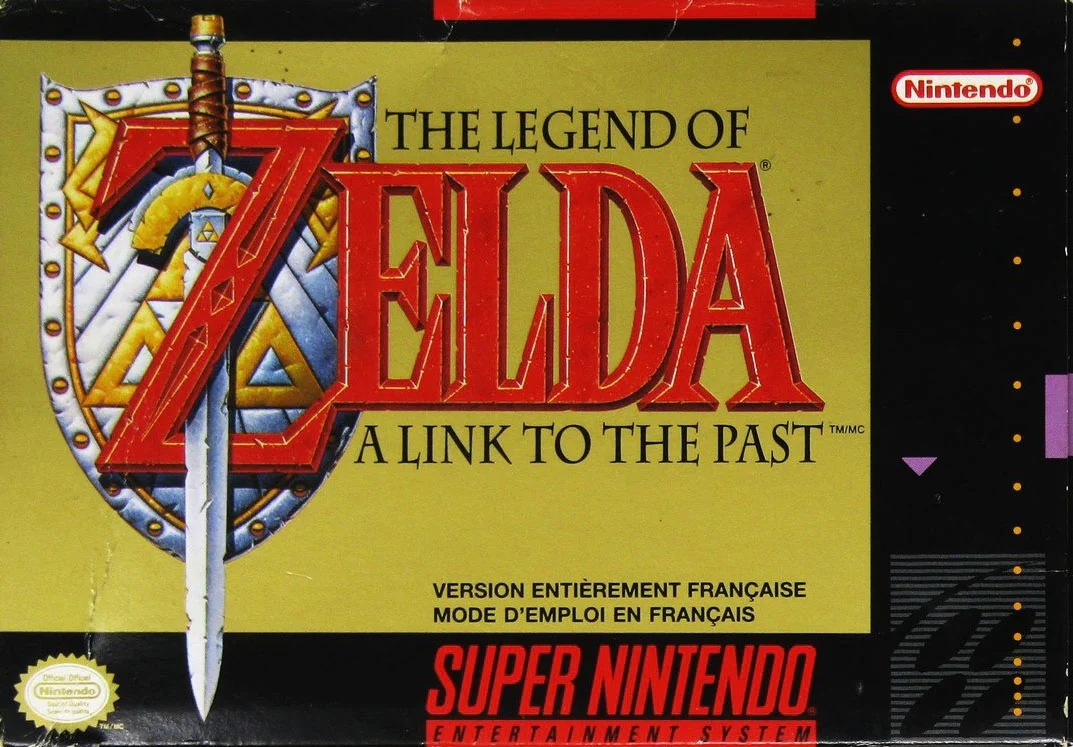
The Legend of Zelda: A Link to the Past
The top-down Zelda everything since measures against.
Nintendo's 1992 North American release rebuilt Zelda for 16-bit around Koji Kondo's now- canonical overworld theme, a dense map, and the light-and-dark world twist, with combat and dungeon design so clean later top-down entries essentially iterate on it. It's the SNES adventure other developers quietly borrowed from for a decade, and a cornerstone of the console's first-year library.
Outstanding -
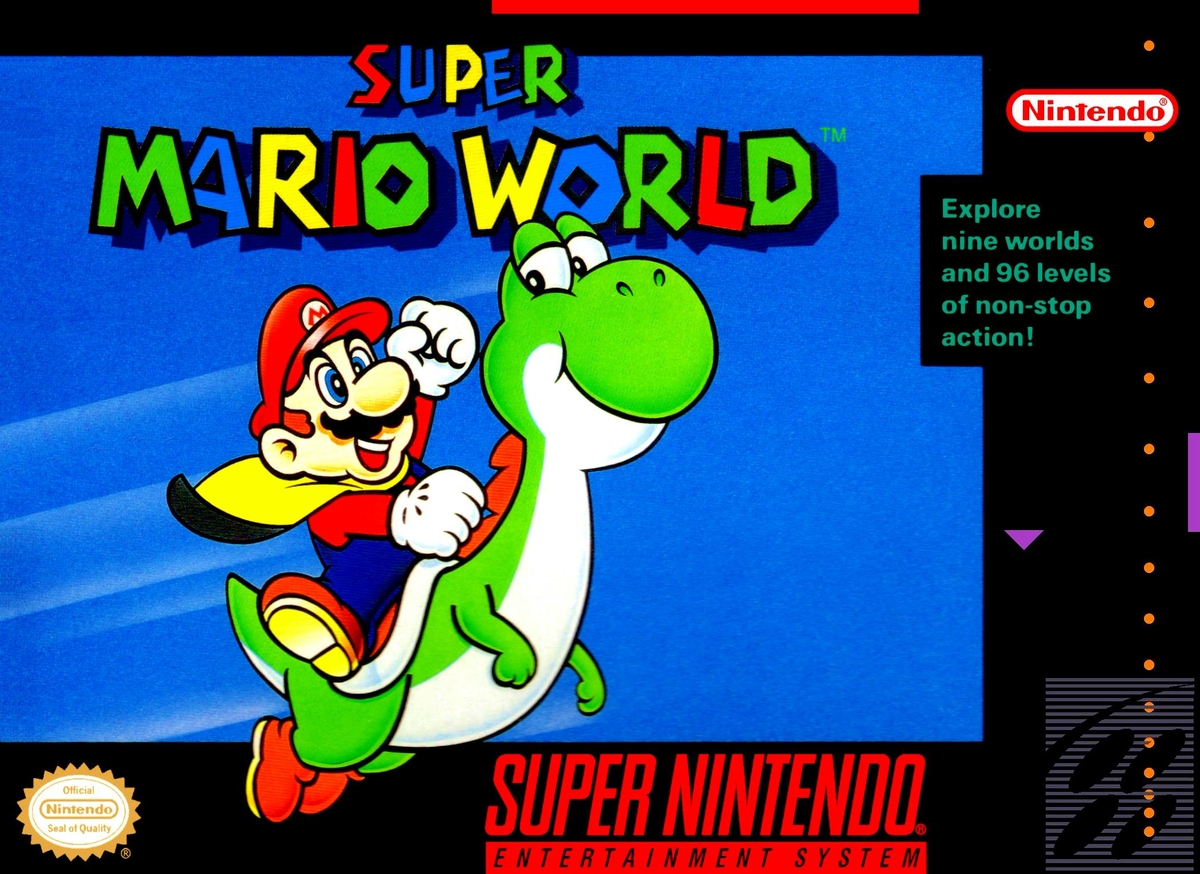
Super Mario World
The launch pack-in; Yoshi's debut; the 16-bit platform standard.
Nintendo bundled this with the SNES at its 1991 North American launch, introducing Yoshi and a sprawling, secret-laced Dinosaur Land set to Koji Kondo's endlessly-reworked athletic theme. As the pack-in it shaped first impressions of the hardware for millions, and its cape physics and hidden exits keep it the standard the platform's platformers are held to.
Outstanding -
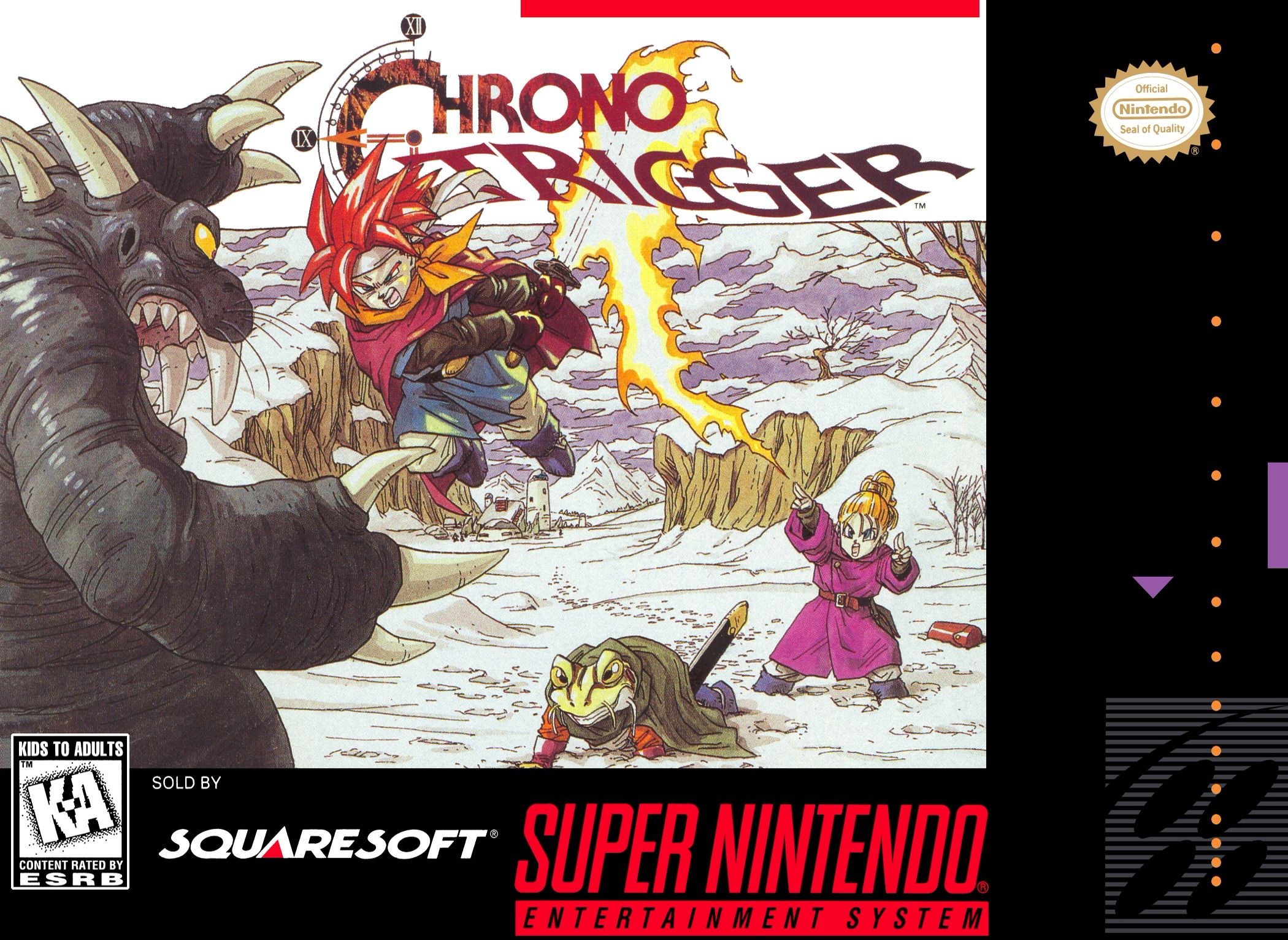
Chrono Trigger
Our highest-scored SNES title — the Dream Team RPG, no filler.
Square's 1995 RPG united Hironobu Sakaguchi, Dragon Quest's Yuji Horii, and artist Akira Toriyama — the Dream Team — around a time-travel story with multiple endings and no random encounters, scored largely by newcomer Yasunori Mitsuda with Nobuo Uematsu. Tightly paced where its peers sprawled, it's routinely named the finest 16-bit RPG and one of the most complete carts in the whole SNES library.
Outstanding -
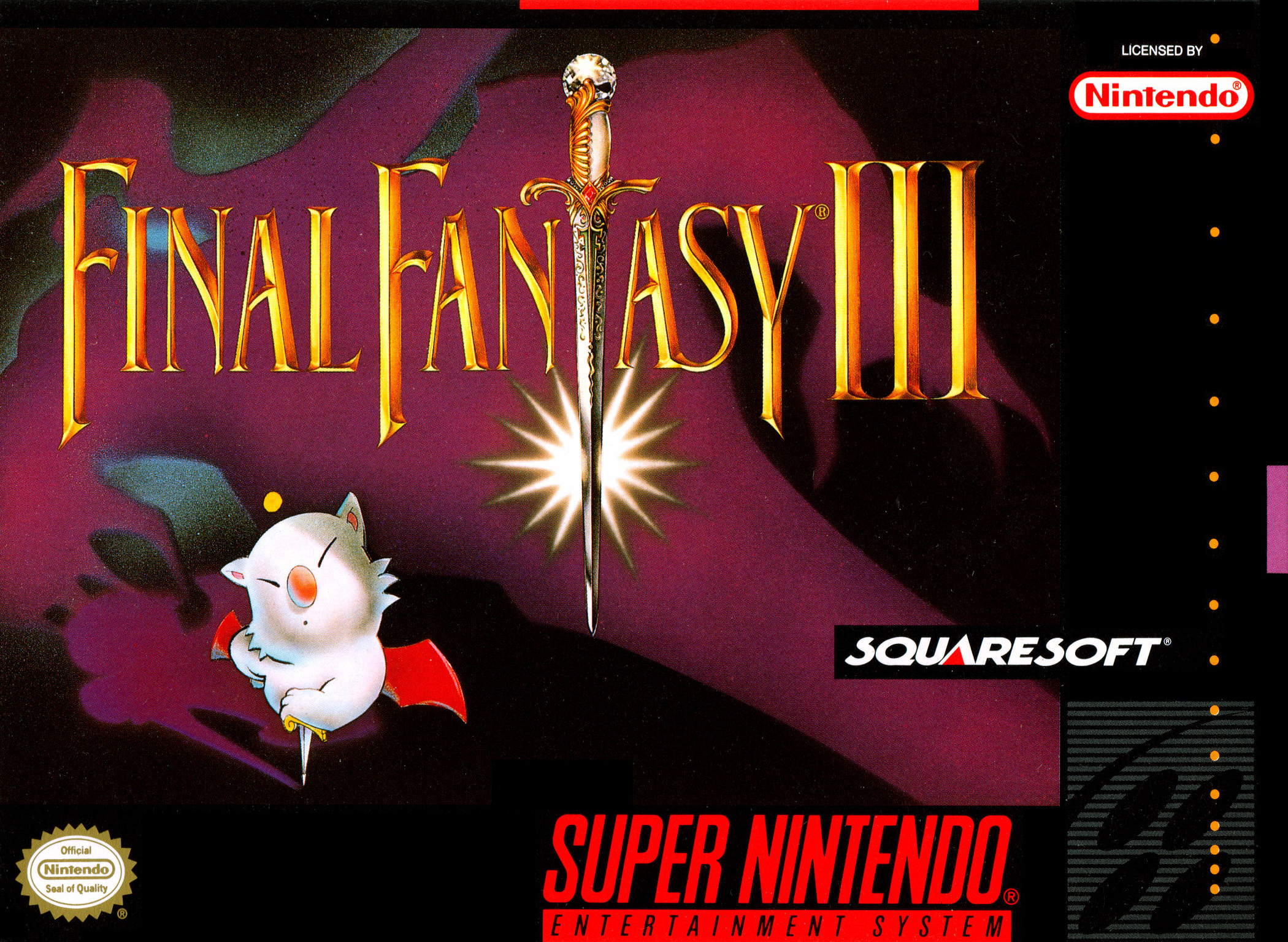
Final Fantasy III
NA name for FFVI; the series' 16-bit peak.
Released in North America as Final Fantasy III in 1994, this is Square's FFVI: an ensemble cast, Nobuo Uematsu's operatic set-piece, and a villain who actually wins partway through. It pushed the series' storytelling and its 16-bit presentation to a peak many fans still call the high point — and the NA-versus-Japan numbering trips up new collectors to this day.
Great -
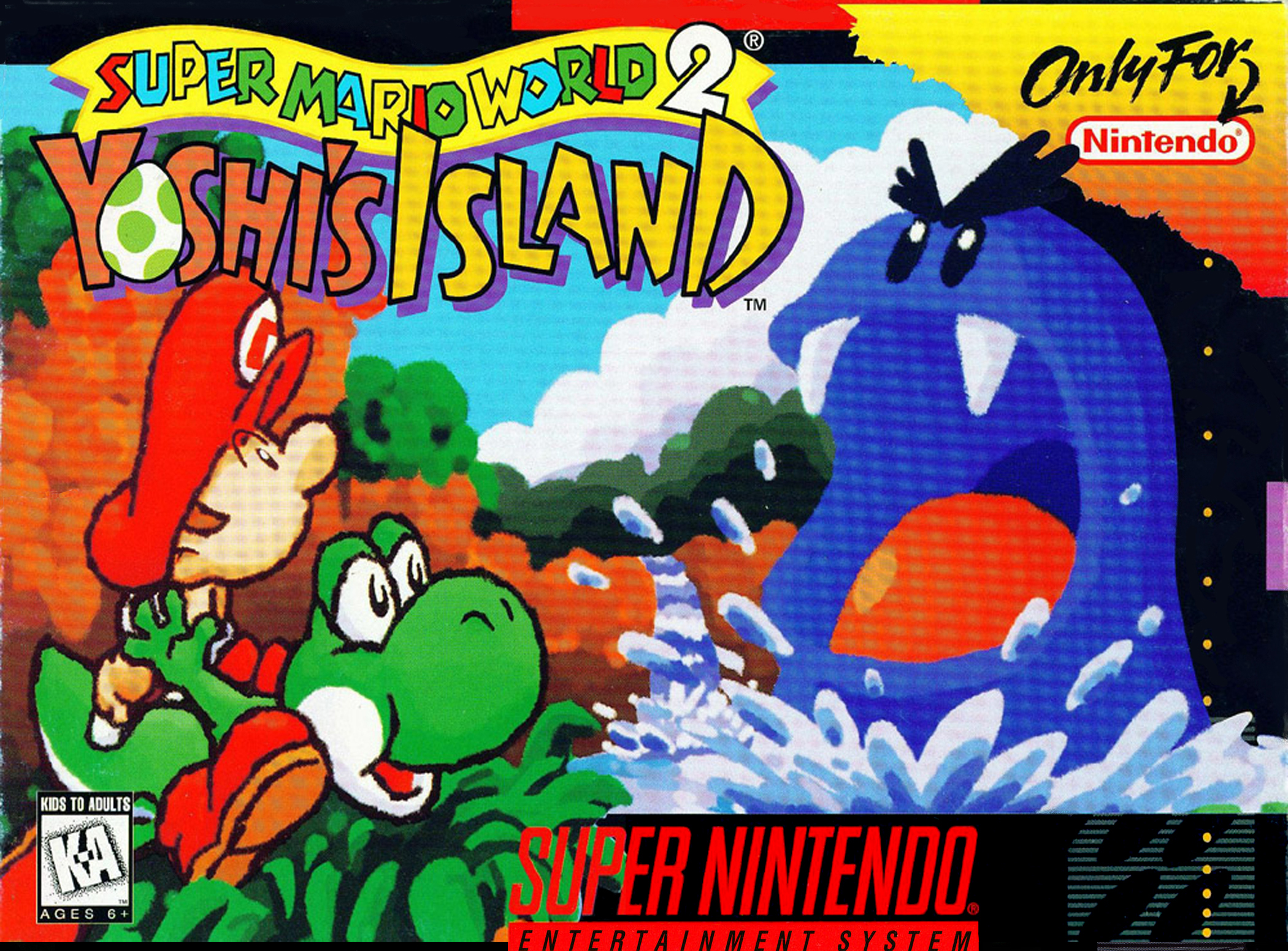
Super Mario World 2: Yoshi's Island
Hand-drawn art and FX chip; a wholly distinct classic from SMW.
Nintendo's 1995 follow-up deliberately looks nothing like Super Mario World: hand-drawn, crayon-textured art driven by the Super FX2 chip, with Koji Kondo's playful score under Yoshi ferrying baby Mario through egg-throwing puzzle-platforming. It's a wholly separate design rather than a sequel in spirit, and one of the best-looking carts the console ever produced.
Great -
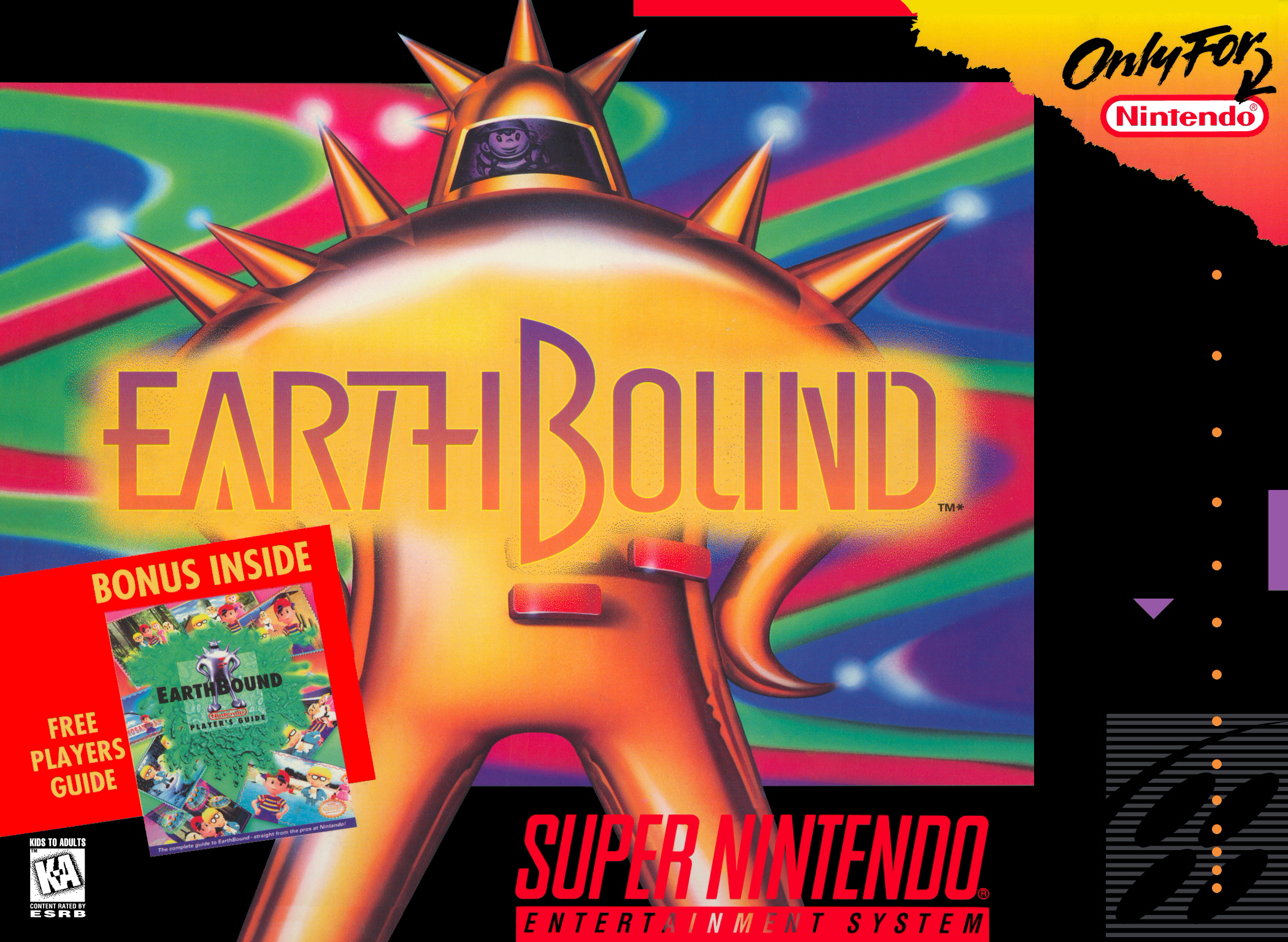
EarthBound
Big-box cult centerpiece; nothing else on the console reads like it.
Shigesato Itoi's 1995 RPG — built by Ape and HAL — swapped swords and dragons for a modern American setting, deadpan humor, a rolling HP meter, and Keiichi Suzuki and Hirokazu Tanaka's genre-hopping score. Nintendo sold it in an oversized box with a full scratch-and-sniff strategy guide, and the gap between its commercial miss then and its following now makes the complete big-box package a cult centerpiece.
Great -
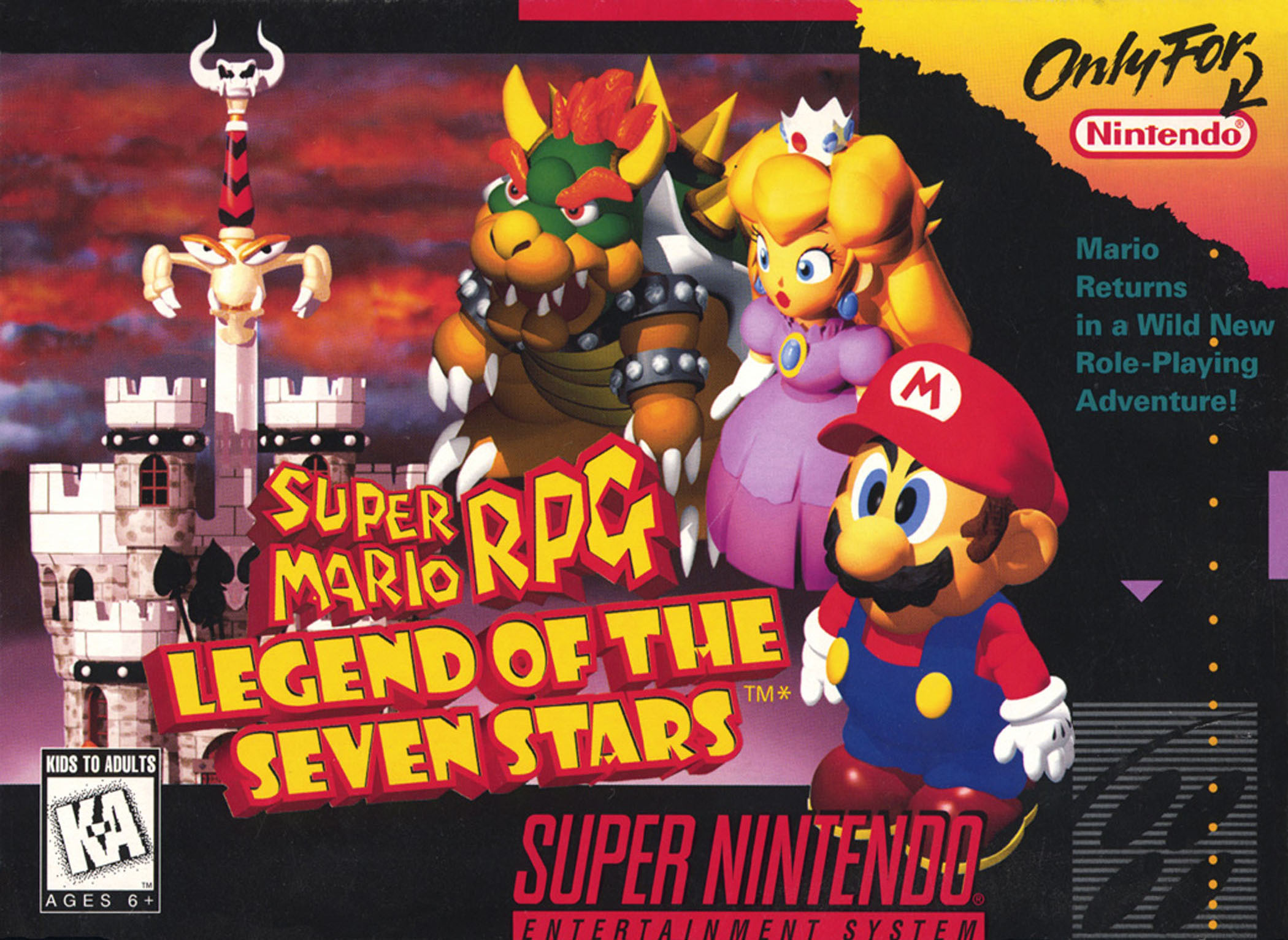
Super Mario RPG: Legend of the Seven Stars
Square-meets-Nintendo one-off that launched a sub-genre.
A 1996 collaboration between Square and Nintendo, this pulled Mario into a full turn-based RPG with timed-hit battles, Yoko Shimomura's score, and pre-rendered visuals in the vein of Donkey Kong Country, opening the door to the later Paper Mario and Mario & Luigi lines. As one of Square's final SNES releases before it moved to PlayStation, it's a genuine one-off on the platform.
Great -
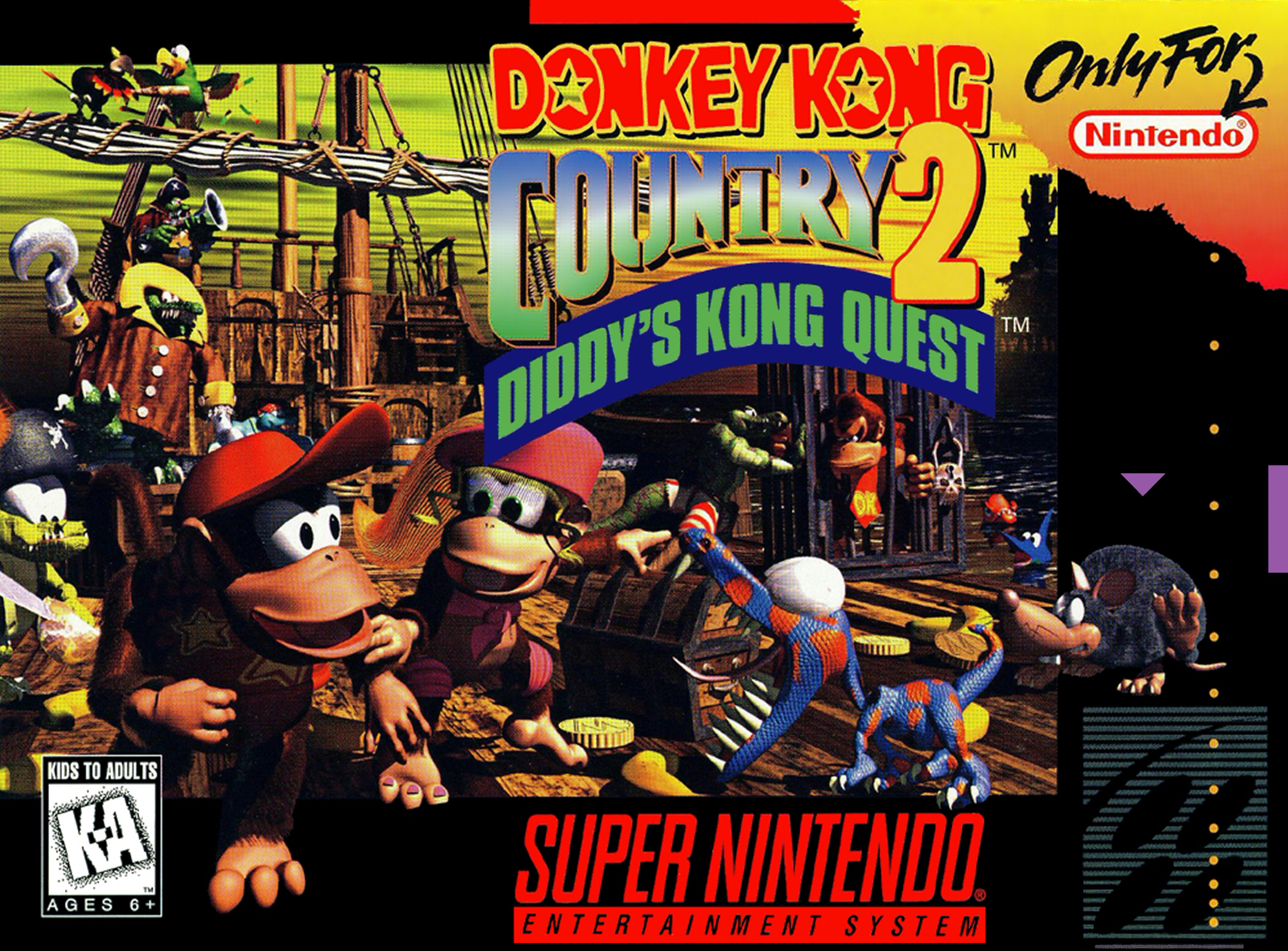
Donkey Kong Country 2: Diddy's Kong Quest
The pre-rendered showcase's sharpest entry.
Rare's 1995 sequel took the pre-rendered look it pioneered and sharpened everything around it — Diddy and Dixie, tighter level themes, and David Wise's atmospheric soundtrack, among the console's best. It's widely held as the strongest of the trilogy and a showcase for how far the SNES could be pushed visually late in its life.
Great -
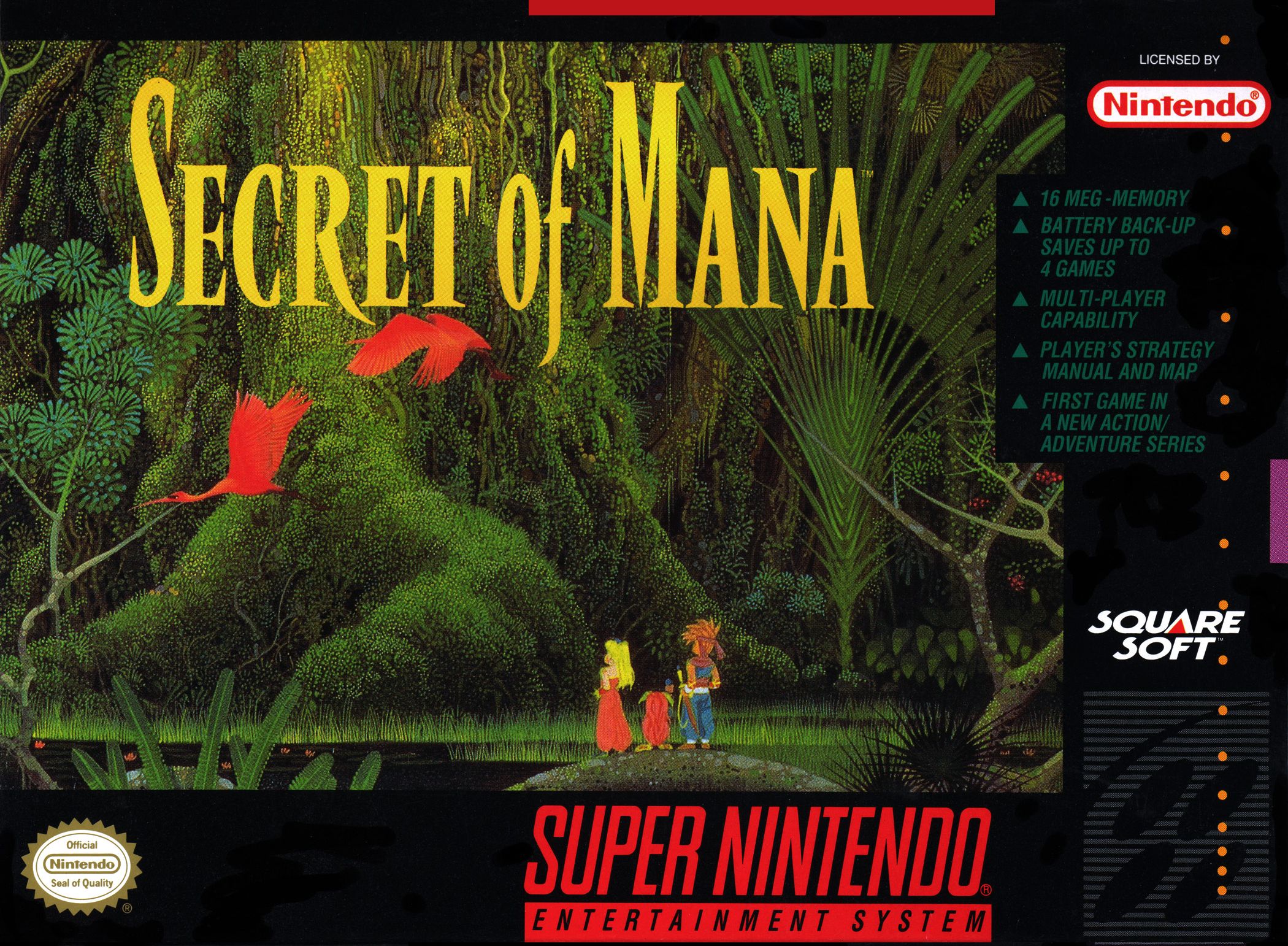
Secret of Mana
Real-time action-RPG with three-player ring menus.
Square's 1993 action-RPG ran combat in real time with a charge-based swing, trademark ring menus, and Hiroki Kikuta's lush score, supporting up to three players at once through the multitap. Originally planned as an SNES-CD title before that add-on collapsed, its co-op hook set it apart from every turn-based RPG on the SNES and earned a following that has outlasted plenty of bigger names.
Great -
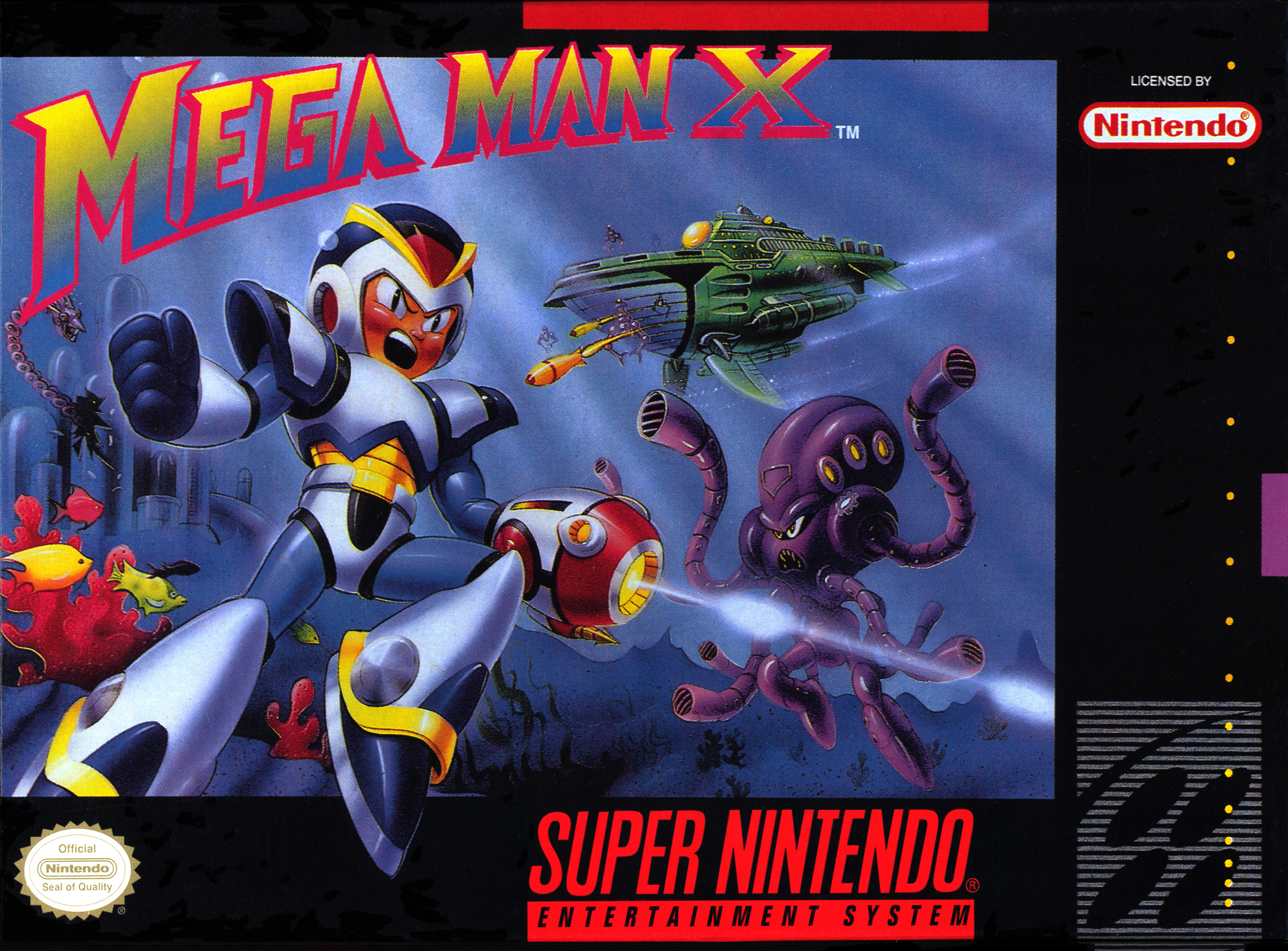
Mega Man X
The dash-and-wall-jump reinvention of the series.
Capcom's 1994 reinvention moved the blue bomber to the SNES with a dash, wall-jumping, and armor upgrades hidden across stages — a faster, more mobile take that respected the series without repeating it. Its light-capsule upgrade system and Sigma reboot launched a parallel line frequently named the best 16-bit action entry Capcom produced for the platform.
Great -
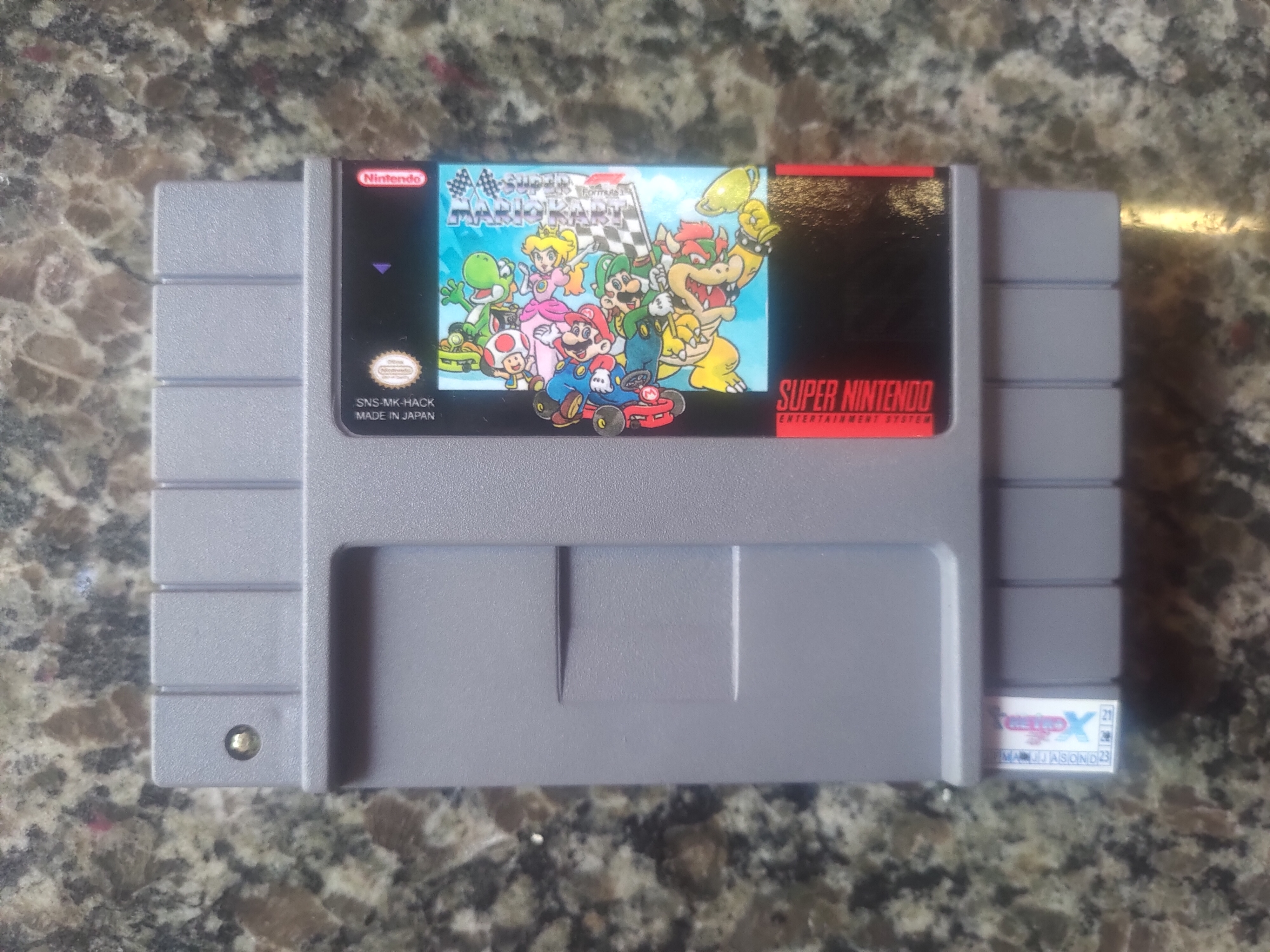
Super Mario Kart
Mode 7 origin of the entire kart-racer genre.
Nintendo's 1992 racer paired the SNES's Mode 7 scaling with the DSP-1 math coprocessor to fake a 3D track, then bolted on items and a two-player split screen, inventing the kart-racing genre outright. Every mascot racer since traces back to this cart, which makes it one of the most consequential releases in the whole console library.
Great -
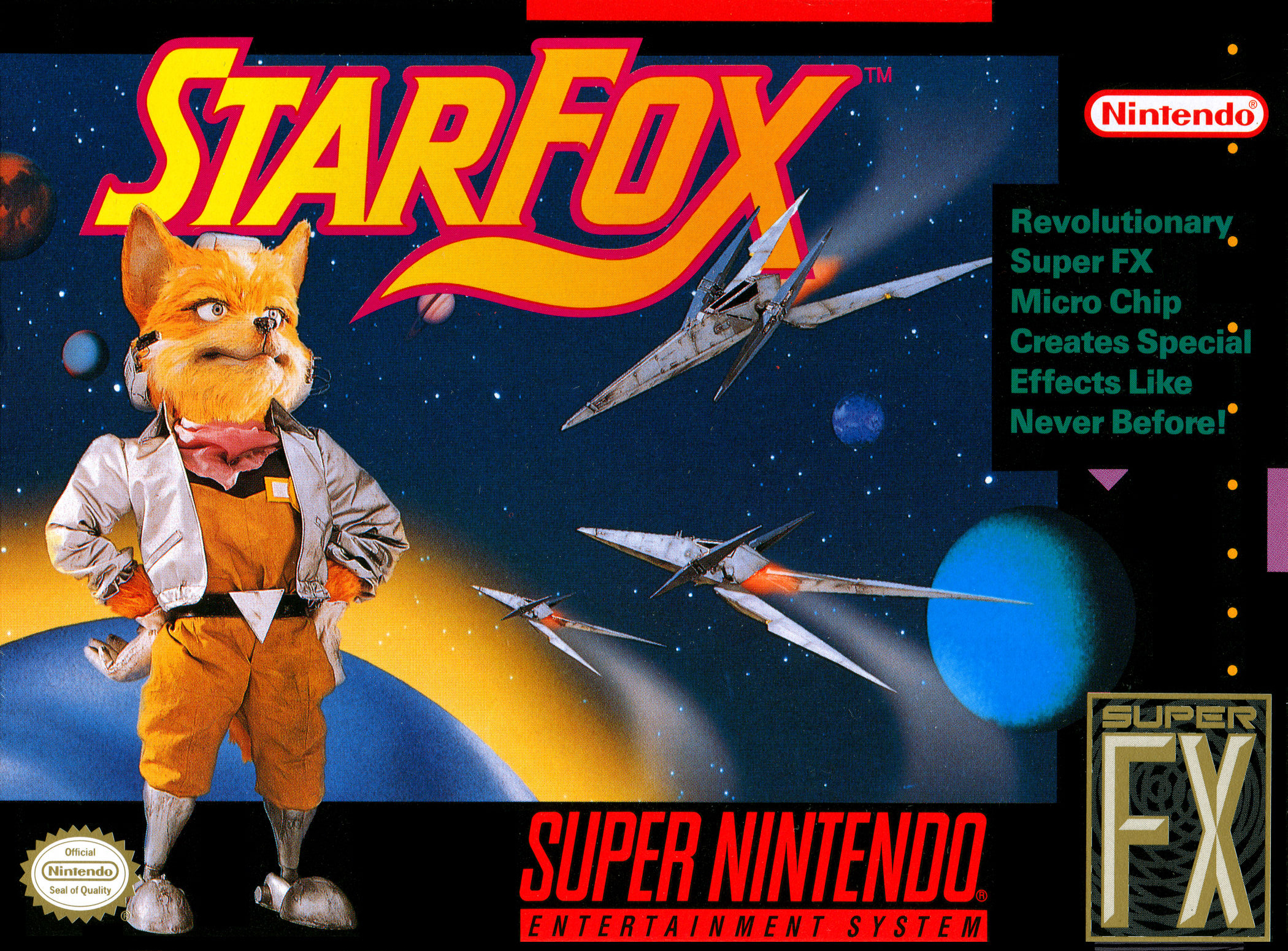
Star Fox
Super FX polygons — the console flexing its hardware.
Nintendo and Argonaut's 1993 release shipped with the Super FX chip built into the cartridge — the first game to use it — letting the SNES render real polygons for on-rails space combat it otherwise couldn't manage. Programmed with a young Dylan Cuthbert on Argonaut's team, it's the clearest example of the console augmenting its own hardware through the cart, and a landmark for reasons beyond the game itself.
Great -
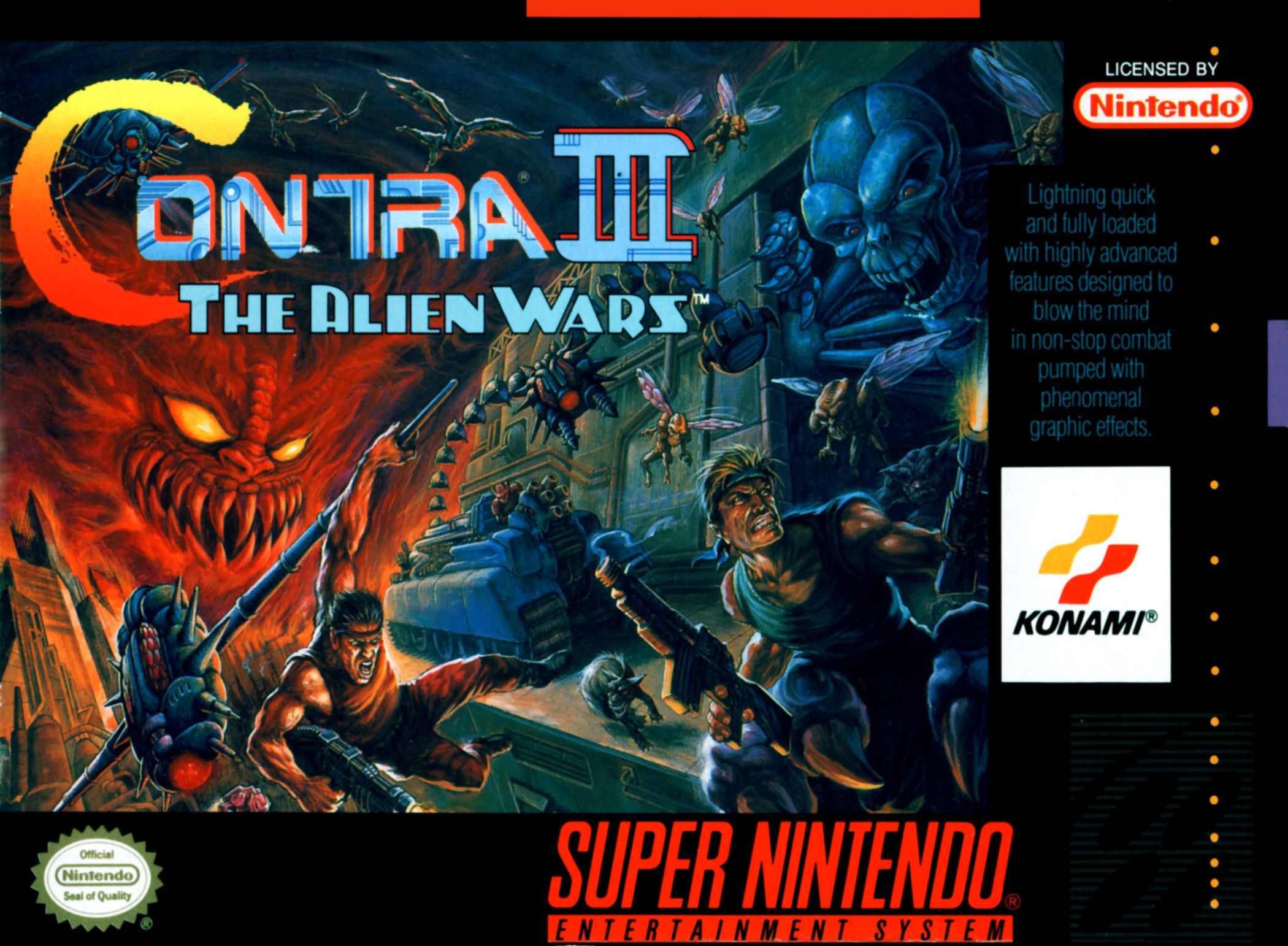
Contra III: The Alien Wars
The 16-bit run-and-gun high-water mark.
Konami's 1992 sequel is the run-and-gun at its 16-bit ceiling — dual-weapon carrying, Mode 7 top-down stages, and set-pieces that lean hard on the extra horsepower. Demanding and relentless, it's the entry Genesis owners genuinely envied, and the high point of the series on Nintendo hardware.
Great -
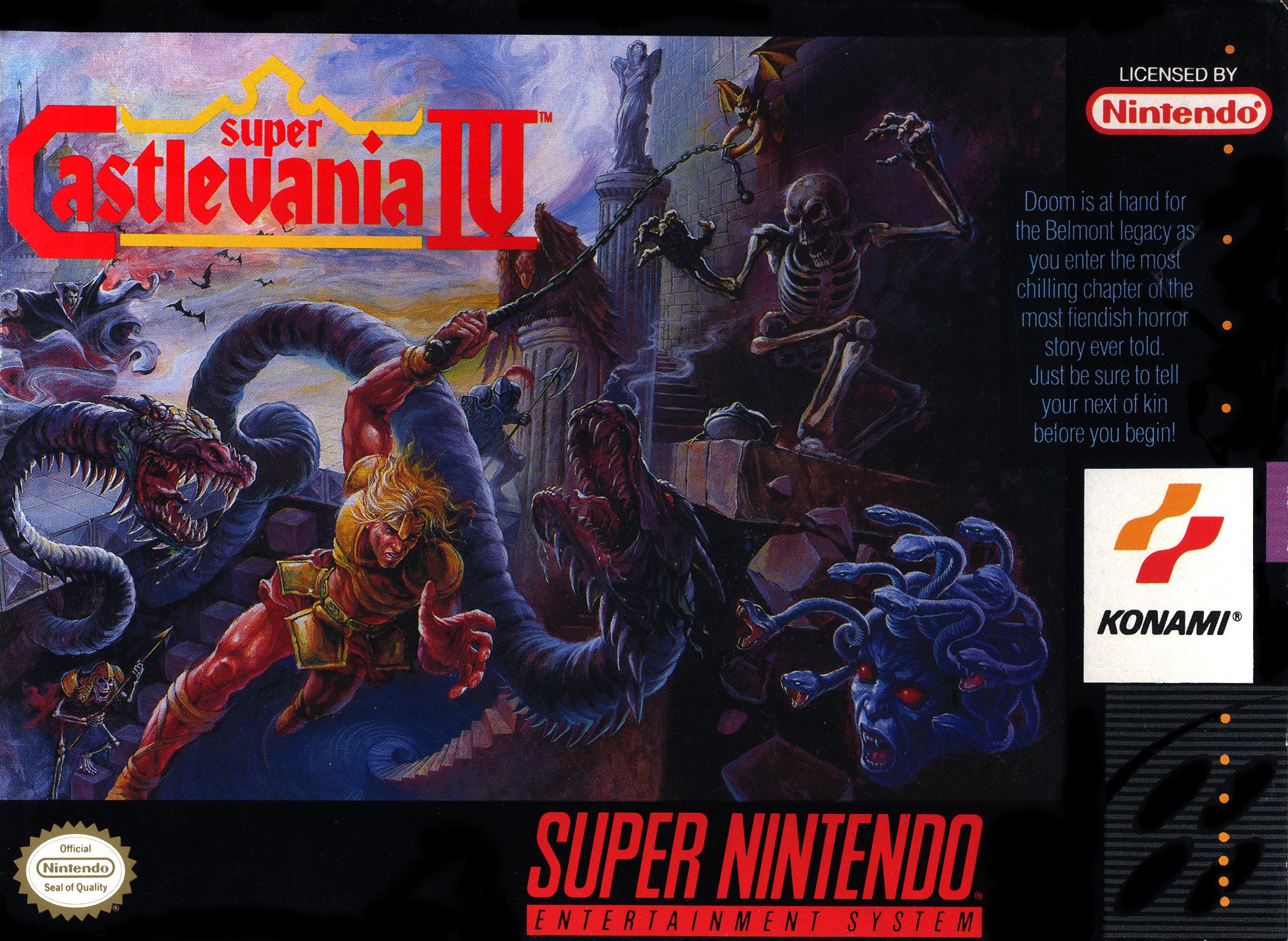
Super Castlevania IV
Multi-directional whip and rotating stages; the definitive linear Castlevania.
Konami's 1991 launch-window release let Simon Belmont whip in eight directions and swing the chain freely, a control upgrade that reshaped the series' feel, alongside Mode 7 rotating and scaling stages and Masanori Adachi and Taro Kudo's moody, reverb-heavy score. It's the definitive linear Castlevania before the series turned toward exploration on later machines.
Great
Track your SNES canon.
15 games, one free shelf. See which you already own.
Free forever. No trial. No credit card.