The 10 Master System games every shelf is measured against
Sega's 8-bit machine at its best — a deep RPG-and-platformer library led by Phantasy Star and Wonder Boy III.
The Master System as Europe and Brazil actually lived it — the full PAL and Tec Toy library, not the thin US shelf.
Sign in to see how many of these 10 are already on your shelf.
How this list is made: hand-picked by a collector, then cross-checked against what each game actually costs and how it scores. Quality first, then what actually matters to own — no pay-to-rank, no affiliate order.
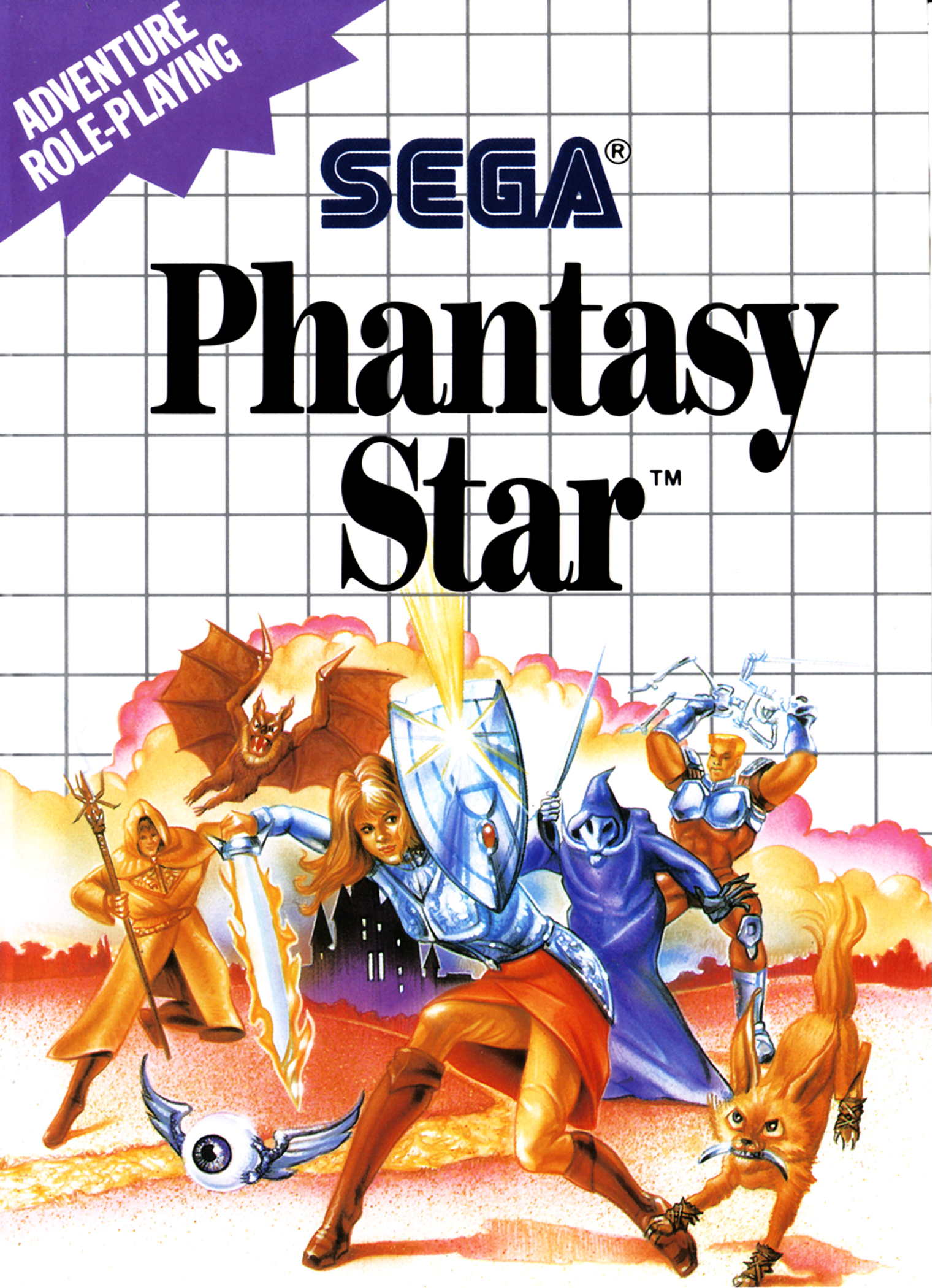
Phantasy Star
The console's standout — a battery-backed RPG years ahead of its peers.
Sega's 1988 RPG paired battery-backed saving with smooth-scrolling, first-person animated dungeons and a science-fantasy world of spaceships and sorcery. Rieko Kodama's art and Tokuhiko Uwabo's score lent a polish its 8-bit peers couldn't touch, and heroine Alis anchored a rare female-led party. It reached most Western players through Europe and Brazil, where the console thrived, and remains the cart the whole platform tends to be judged by.
-
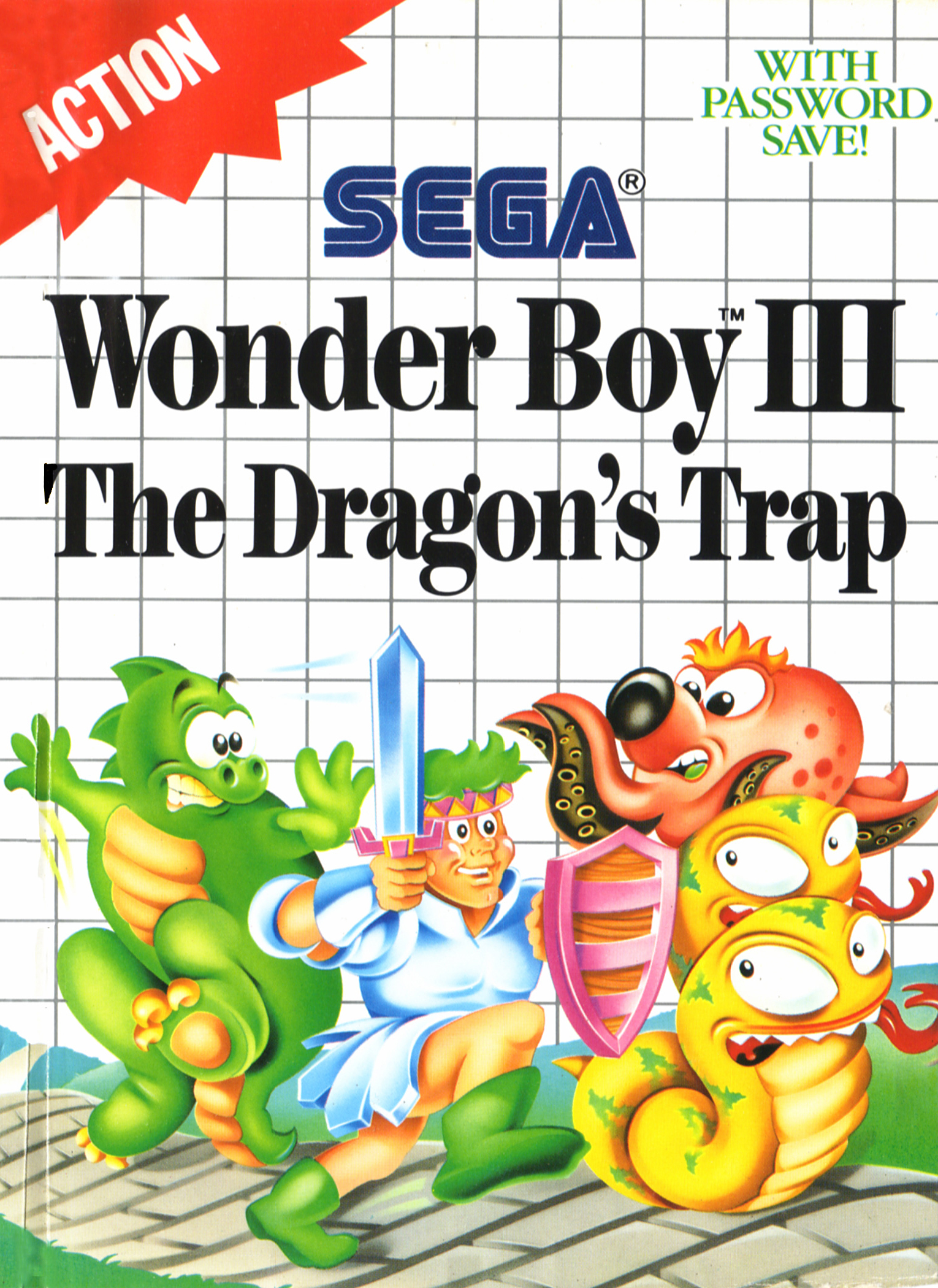
Wonder Boy III: The Dragon's Trap
The transformation-adventure masterpiece the platform is remembered for.
Westone's 1989 adventure let its cursed hero shift between animal forms — mouse, lizard, piranha, hawk — each opening new routes through one interconnected map, a Metroidvania structure years before the term existed. It's the title the Master System is most fondly remembered for across its PAL and Brazilian strongholds, and it aged gracefully enough that Lizardcube built a faithful 2017 remake around it.
Great -
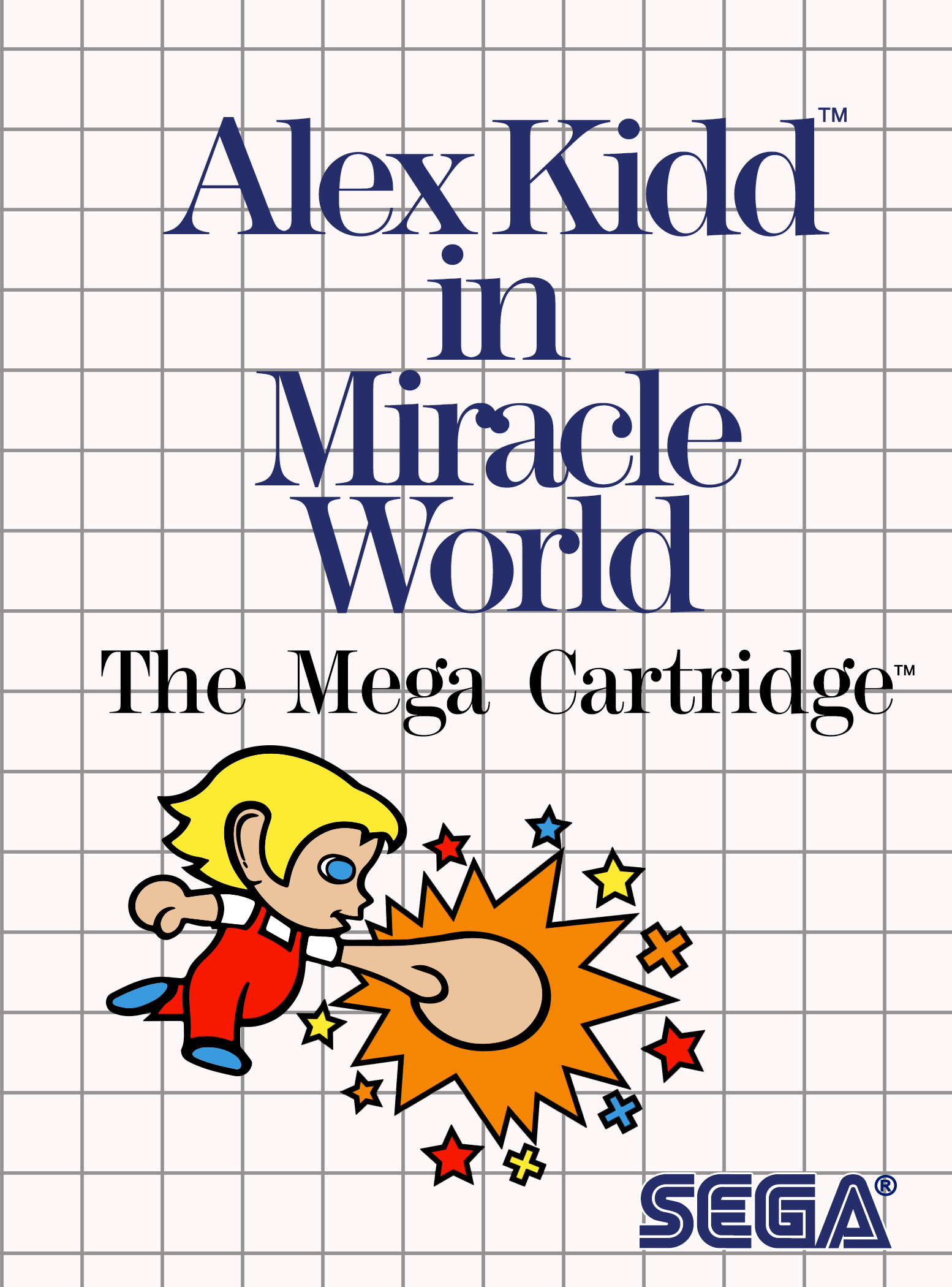
Alex Kidd in Miracle World
The built-in pack-in mascot game — the face of the console for a generation.
Sega's 1986 platformer was the company's mascot before Sonic, and later Master System II units shipped with it burned into the console's ROM as a built-in pack-in — so for a generation of European and Brazilian players, this was the face waiting at power-on. Janken rock-paper- scissors boss duels and all, it's inseparable from the platform's identity.
Good -
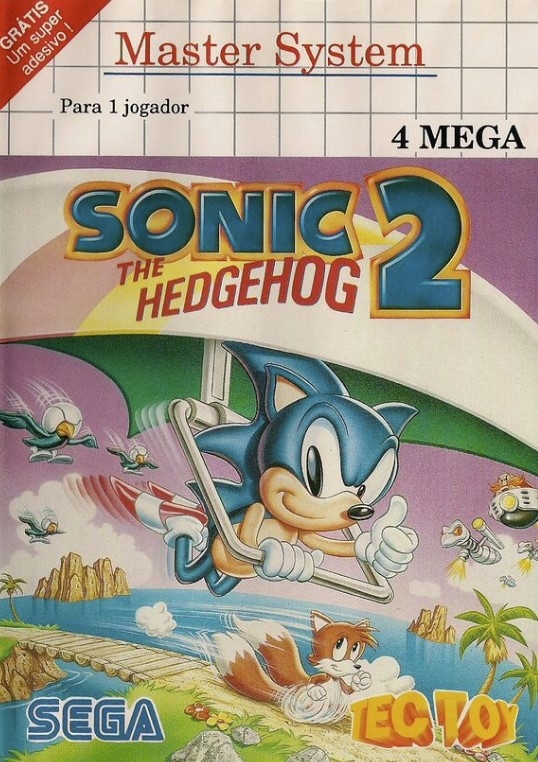
Sonic the Hedgehog 2
The 8-bit Sonic that showed the hardware could still headline.
Built by Aspect rather than Sonic Team, the 1992 8-bit Sonic 2 is a wholly separate game from its Genesis namesake — its own stages, its own bosses, and the series debut of Tails as someone to rescue rather than play. Notoriously stingy with checkpoints, it proved the aging Master System could still headline a marquee mascot release, a point that mattered most in its PAL and Brazilian markets.
Great Usually affordable -
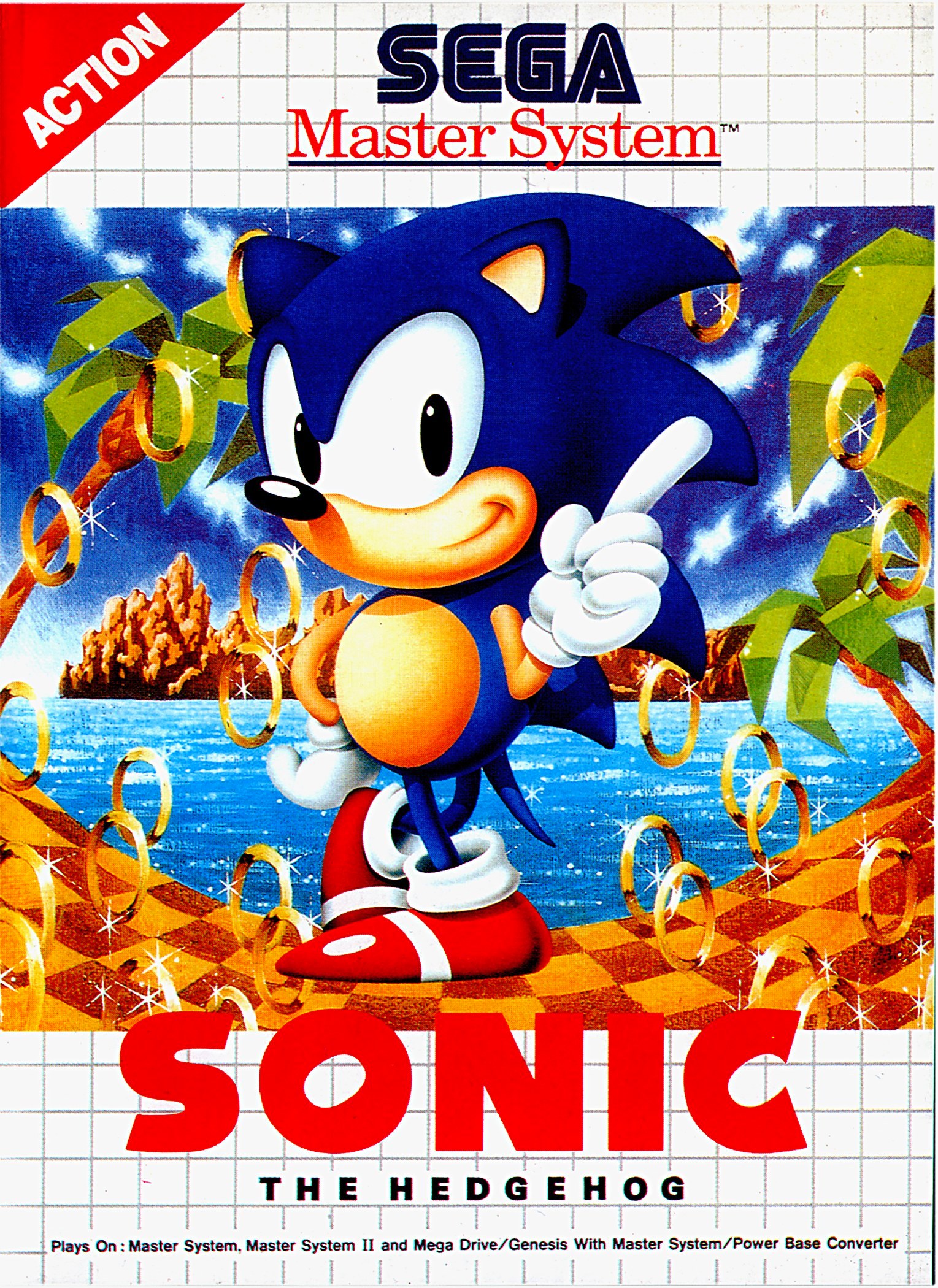
Sonic the Hedgehog
The mascot's 8-bit debut, distinct from the Genesis version.
Developed by Ancient — Yuzo Koshiro's studio, with Koshiro himself handling the soundtrack — the 1991 8-bit Sonic reworked the mascot's debut for the Master System with different level layouts and slower, more platform-focused pacing than the Genesis original. Far from a straight port, it's a distinct take worth owning on its own terms, and a headline title for the console's European and Brazilian base.
Great -
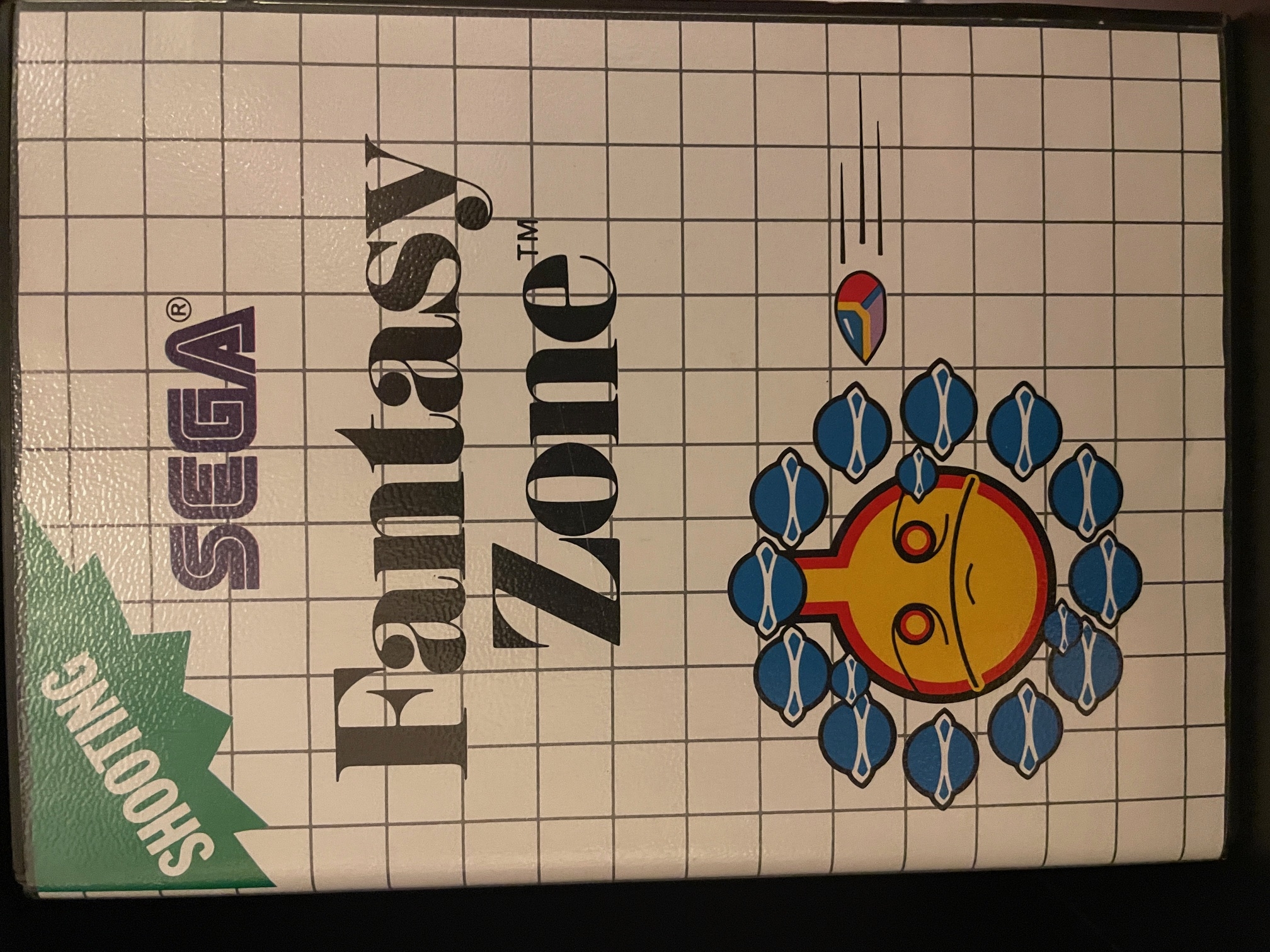
Fantasy Zone
Cute-'em-up landmark; pure Sega arcade DNA.
Sega's 1986 conversion brought its arcade cute-'em-up home, sending the winged ship Opa-Opa through pastel stages to buy weapons from between-wave shops. Bright, strange, and full of pure Sega arcade DNA, its cheerful bounce and shop-driven loadout loop made it a landmark of the early Master System library across the PAL territories where the console found its audience.
Great -
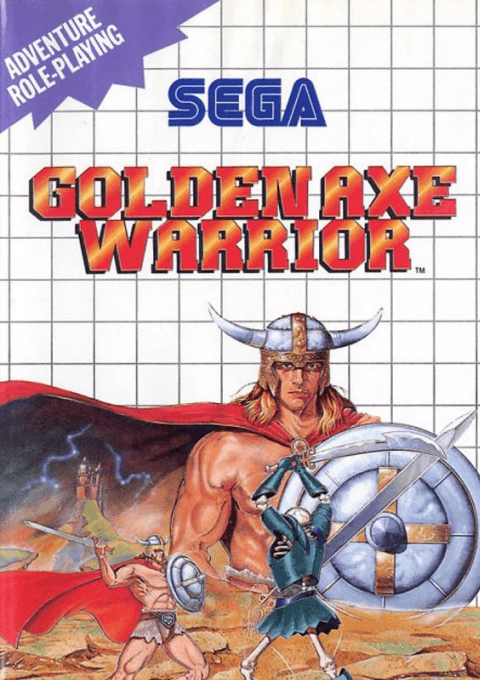
Golden Axe Warrior
The system's Zelda-style action-RPG, and a genuinely good one.
Sega's 1991 release is the Master System's unabashed take on top-down Zelda — nine dungeons, heart containers, hidden shops — and, unusually for a clone, a genuinely well-built one. Despite the name it has nothing to do with the arcade brawler; it gave the console a real action-RPG anchor in its later years, and it's a favorite among collectors working the PAL library.
Great -
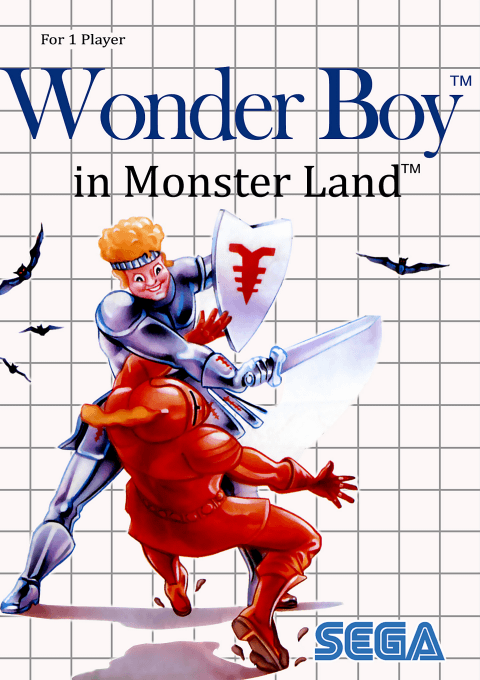
Wonder Boy in Monster Land
Action-RPG hybrid that defined the mid-life library.
Westone's 1988 conversion of the 1987 arcade hit fused platforming with light RPG growth — buying gear, spending gold, watching stats climb — a hybrid that felt genuinely fresh in the late 1980s. It defined the middle stretch of the Master System library and set up the transformation-driven Dragon's Trap that followed on the same hardware.
Great -
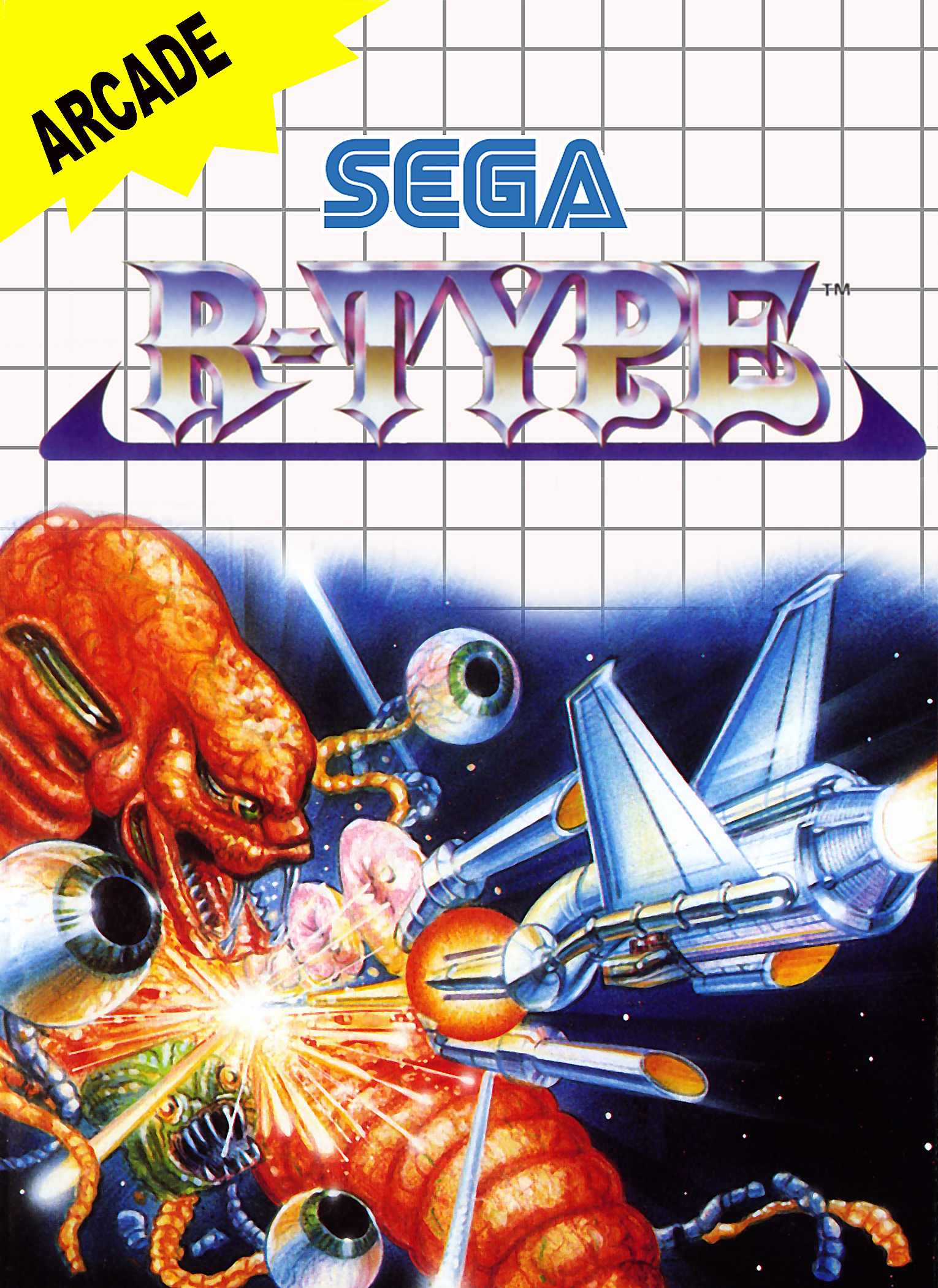
R-Type
A remarkable home conversion of the arcade shooter benchmark.
Ported by shmup specialists Compile and published by Sega in 1988, this conversion of Irem's arcade benchmark squeezed the shooter's signature design — the detachable Force pod and its gauntlet of set-piece bosses — onto the Master System with more fidelity than the hardware had any right to manage. It's held up as one of the more impressive home ports of the era among PAL collectors.
Great -
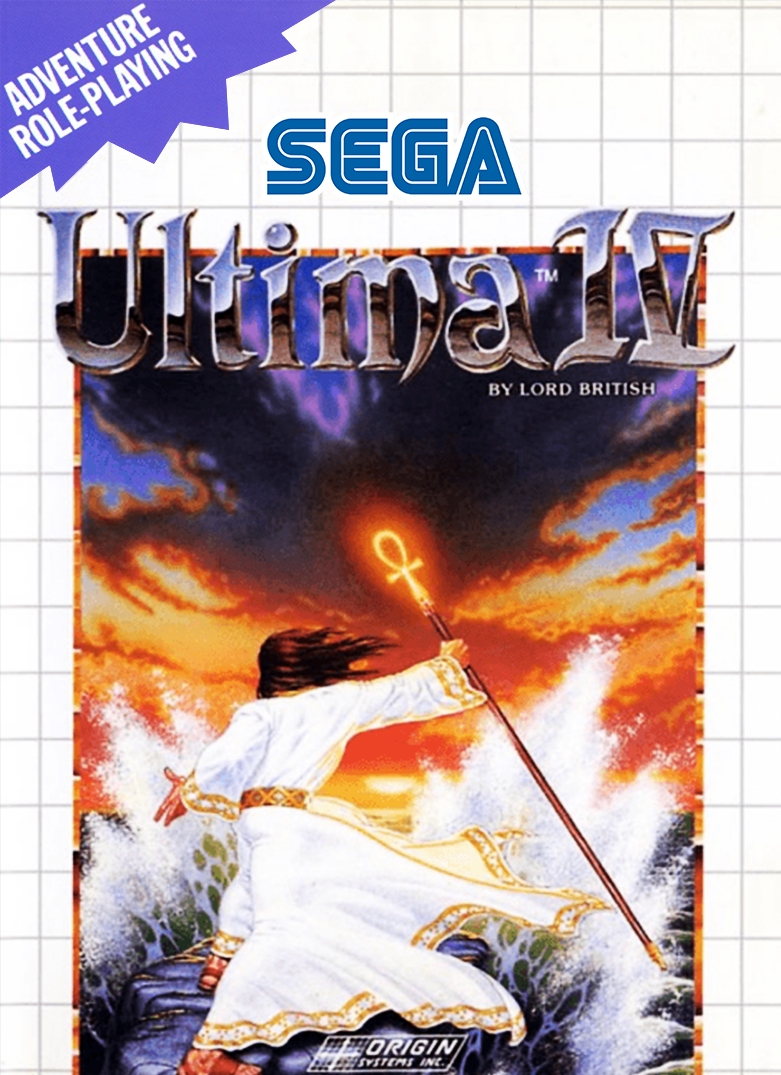
Ultima IV: Quest of the Avatar
A full-scale Western RPG on the hardware — an ambitious standout.
The 1990 Master System edition brought Richard Garriott's landmark Origin RPG — the one built around living up to eight virtues rather than slaying a dark lord — to a console audience, an ambitious fit for 8-bit hardware. Its sheer scope made it a standout in the library, and the cart is a prized, hard-to-find pickup in the console's European and Brazilian scenes.
Great
Track your Master System canon.
10 games, one free shelf. See which you already own.
Free forever. No trial. No credit card.