The 15 NES games every shelf is measured against
The library that built the modern console — the carts every NES shelf still gets measured against.
Sign in to see how many of these 15 are already on your shelf.
How this list is made: hand-picked by a collector, then cross-checked against what each game actually costs and how it scores. Quality first, then what actually matters to own — no pay-to-rank, no affiliate order.
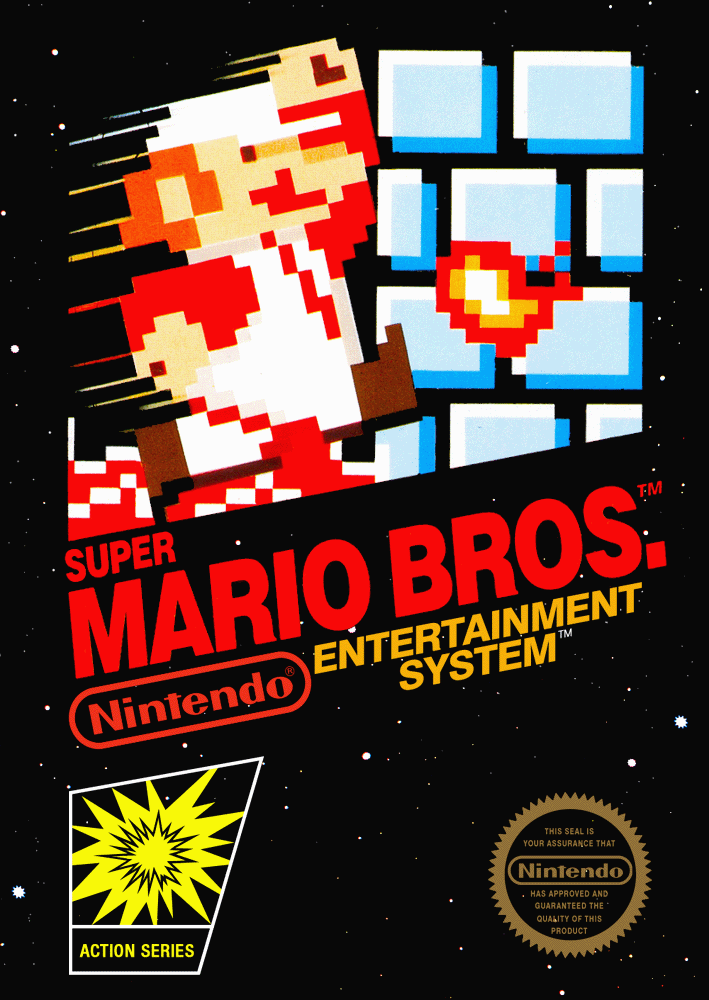
Super Mario Bros.
The pack-in that restarted the industry in NA — every collector's baseline cart.
Nintendo shipped this alongside the NES in 1985 and effectively rebooted a console market the 1983 crash had gutted. Shigeru Miyamoto's scrolling worlds — scored by Koji Kondo, whose overworld theme became shorthand for the whole medium — set the vocabulary for the platformer. As the near-universal pack-in it became the cart most North American shelves start from, the baseline the rest of the library gets measured against.
-
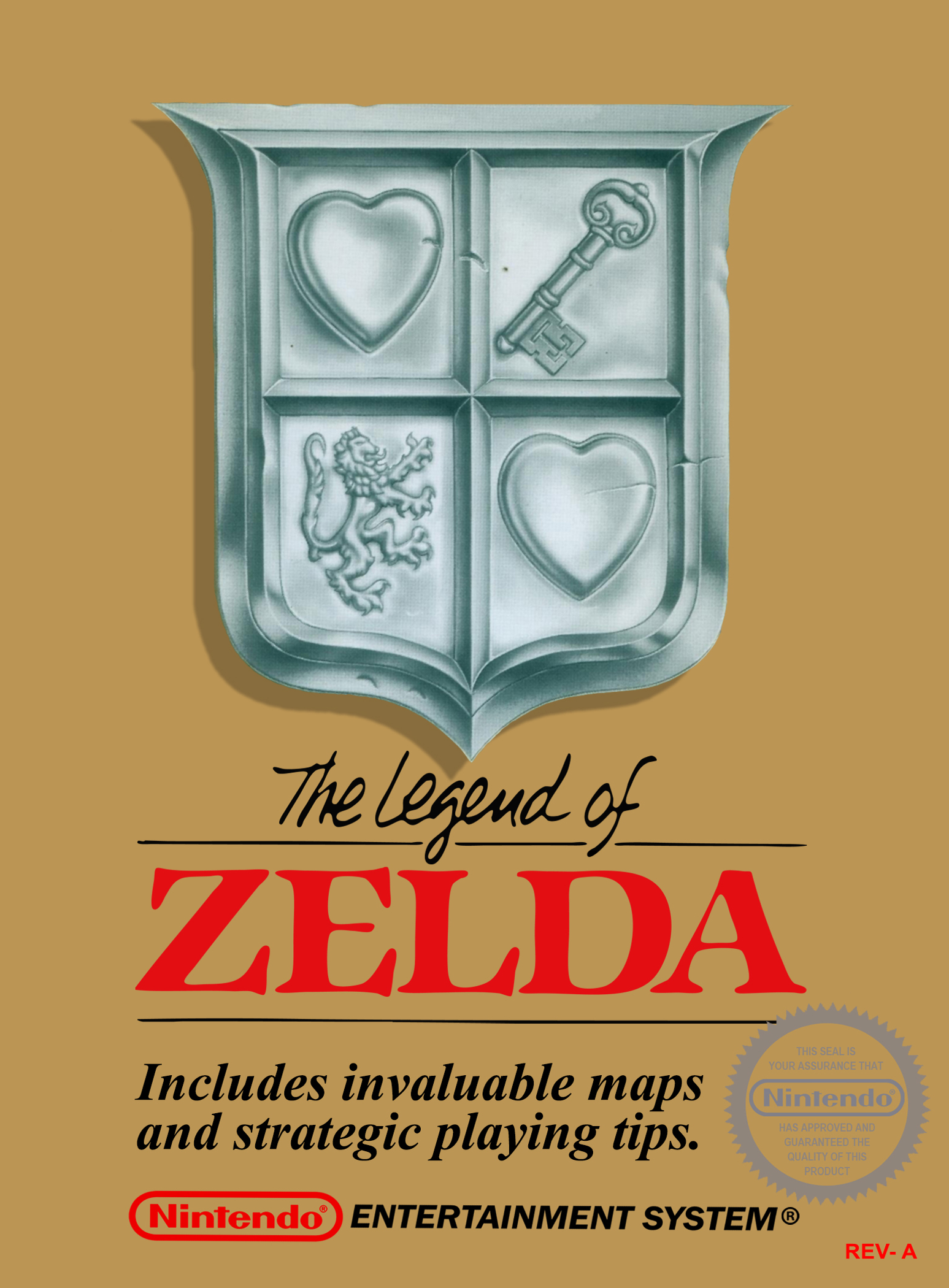
The Legend of Zelda
Gold cart, battery saves, open exploration — the template for the whole series.
The 1987 North American release arrived in an unmistakable gold cartridge with battery-backed saving, a genuine novelty on the NES that let players preserve a sprawling overworld. Shigeru Miyamoto's non-linear exploration and Koji Kondo's overture laid down the structure and sound the whole series has refined since, and the gold shell remains one of the most recognizable on any shelf.
Great -
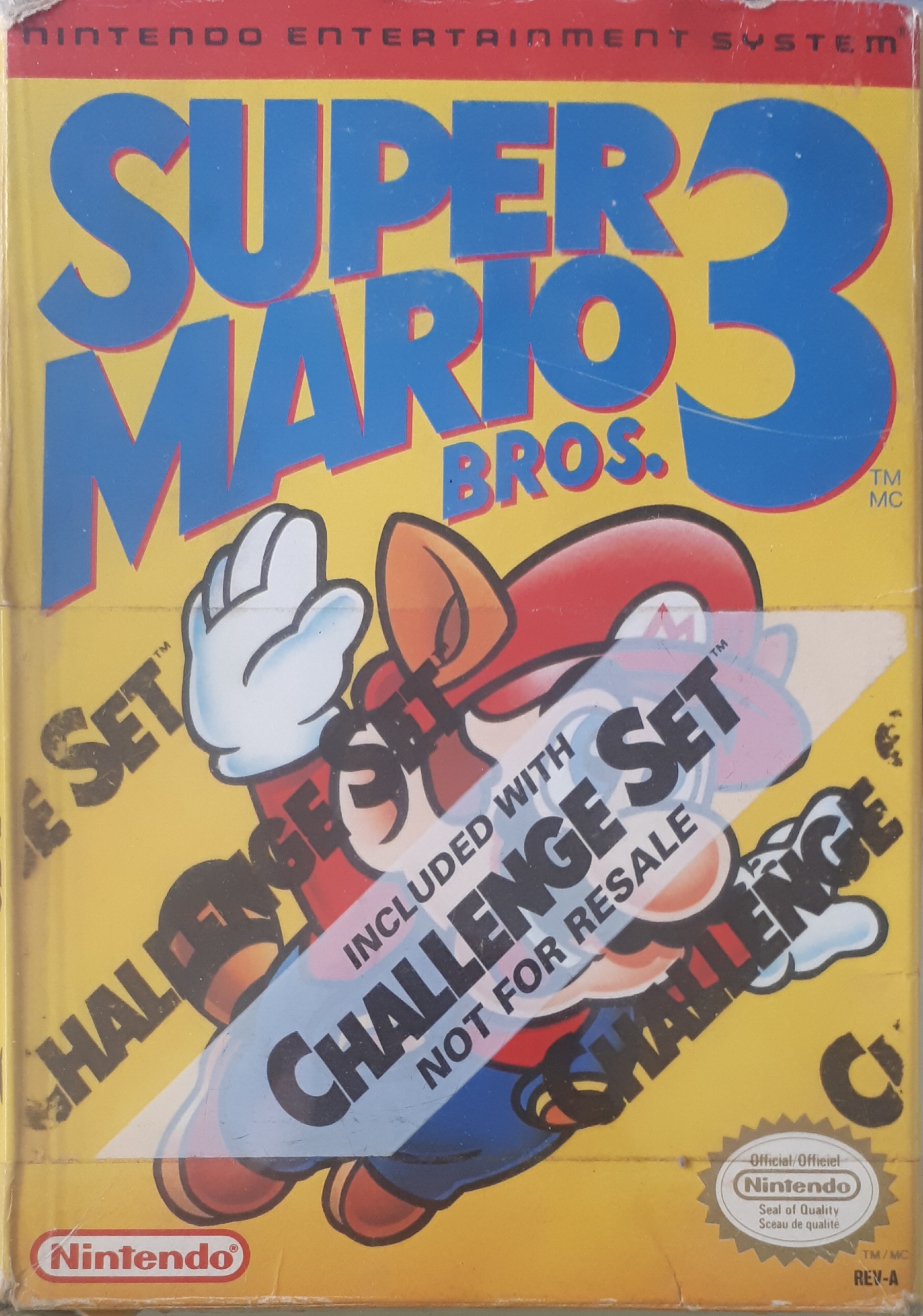
Super Mario Bros. 3
Our highest-tier NES title and the peak of the 8-bit Mario run.
Nintendo EAD's 1990 North American release closed out the 8-bit Mario line at full stride: an overworld map, an item inventory, and power-ups like the Tanooki suit gave the platforming its widest toolkit yet, over another Koji Kondo score. It shipped late enough to show how far the hardware had been pushed, and stays the 8-bit entry most players and collectors reach for first.
Outstanding -
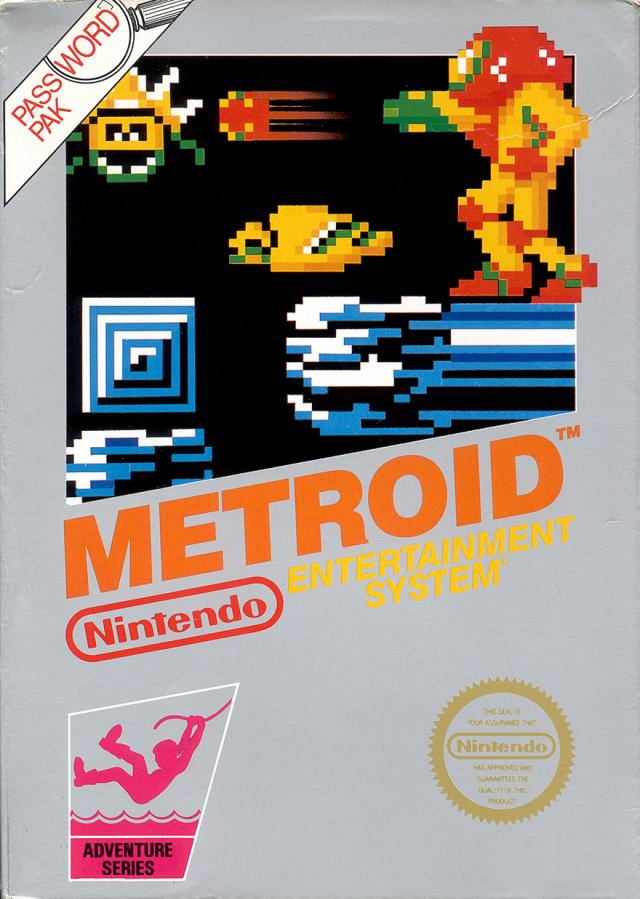
Metroid
Password-era sci-fi that founded a genre; our data under-ranks it, canon doesn't.
Nintendo R&D1's 1987 North American cart traded lives for a bleak sci-fi world of interconnected caverns and hidden upgrades, tracked by password rather than a save battery. Hirokazu "Hip" Tanaka's austere score did as much as the map to found the exploration genre that later took its name, and the game's weight on the console's design language runs well past where raw scores tend to place it.
Great -
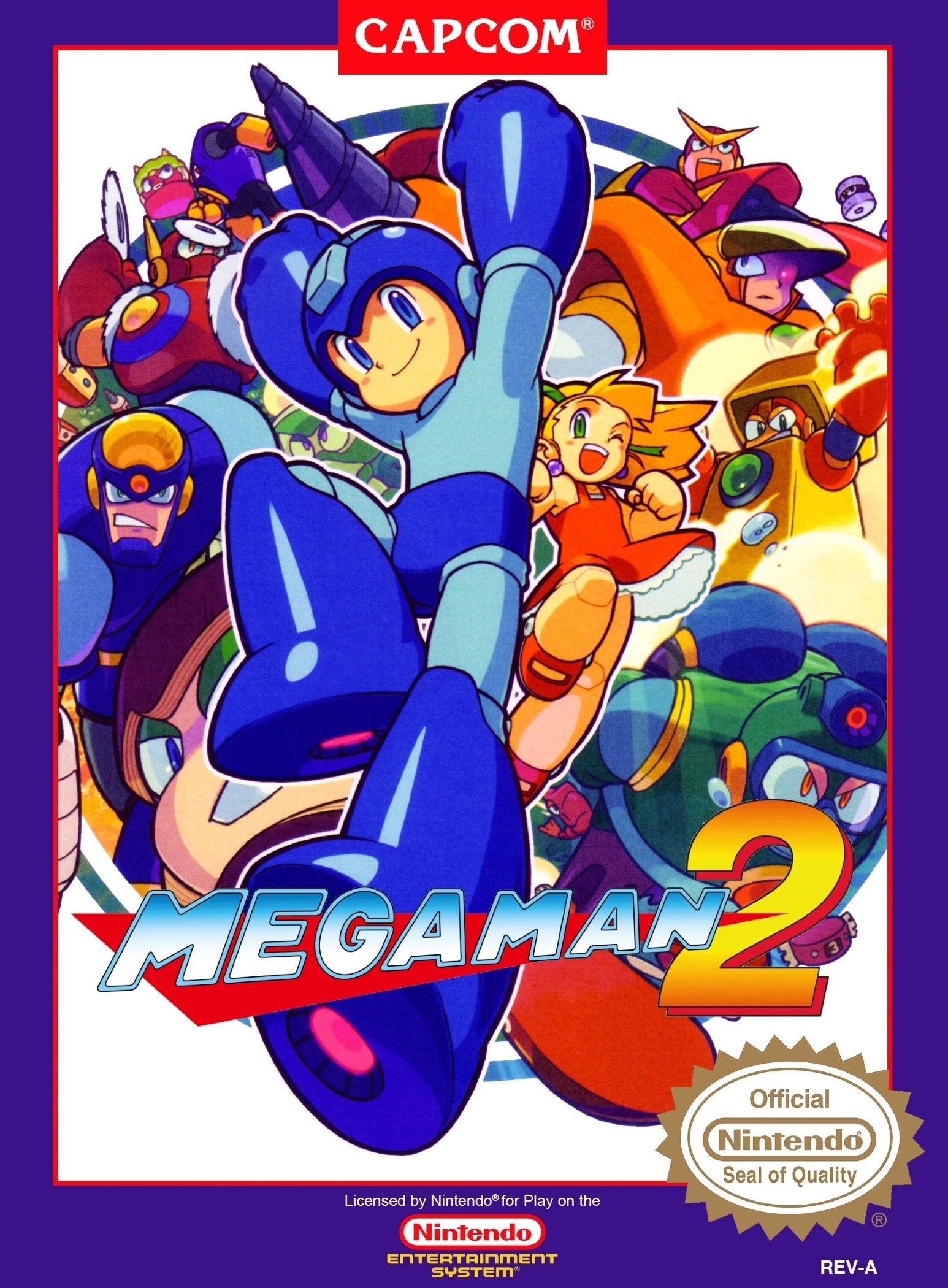
Mega Man 2
The entry that fixed the formula; the one everyone names first.
Capcom's 1989 North American sequel is where the series clicked — a tighter weapon-swap loop, the forgiving E-Tank, and Takashi Tateishi's soundtrack players still hum from memory. It reviewed and sold well enough to lock Mega Man onto the NES, and when collectors name a single entry from the 8-bit run, this is almost always the one they reach for.
Great -
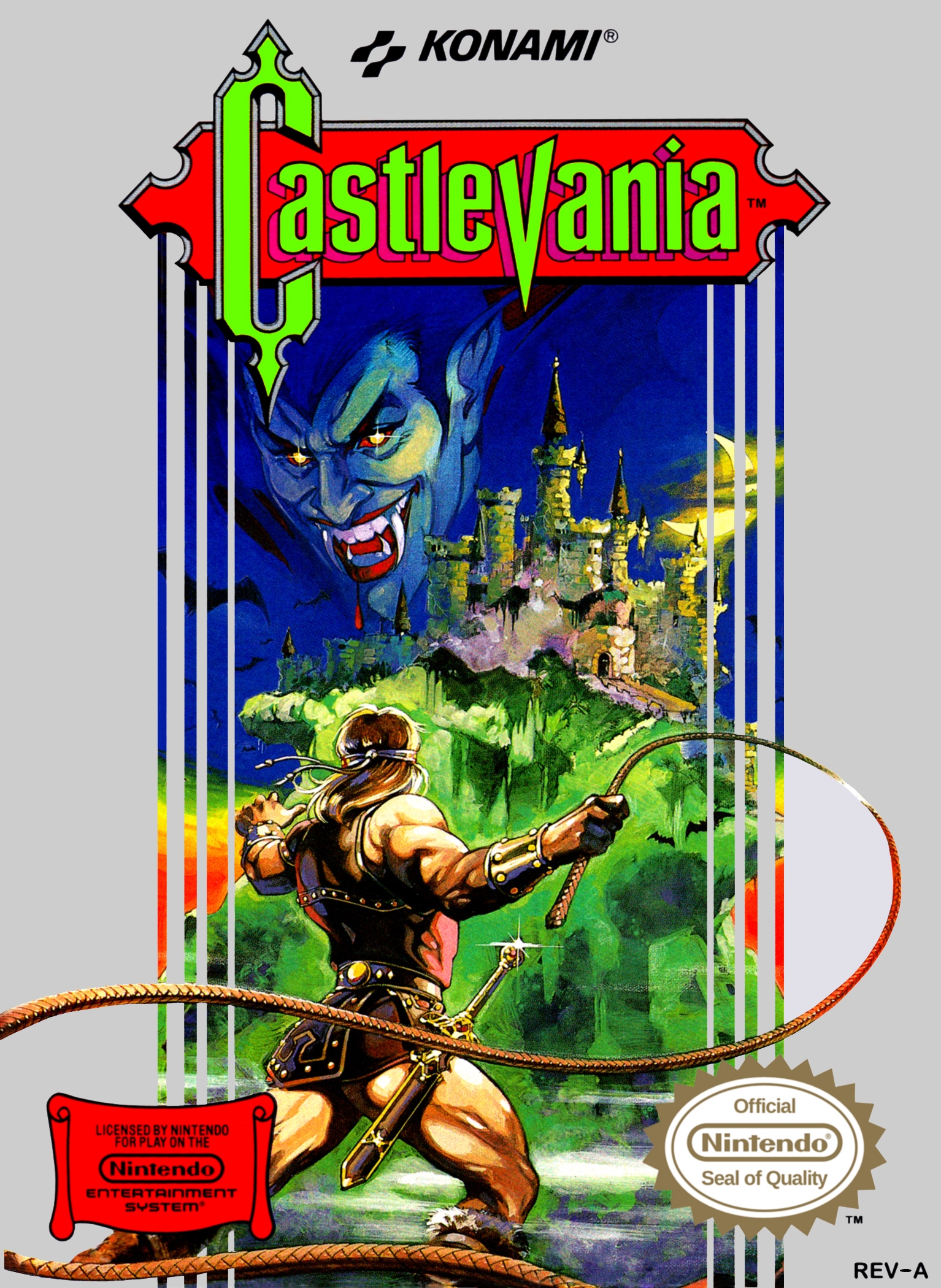
Castlevania
Gothic action-platforming benchmark — our data runs lukewarm, the shelf doesn't.
Konami's 1987 North American cart set the template for gothic action-platforming: deliberate, weighty jumps, the sub-weapon system, and Kinuyo Yamashita's landmark score marching toward Dracula. Its committed, stiff controls divide newcomers, but on the NES it established a house style Konami built on for years — undeniable shelf furniture whatever the aggregate scores read.
Great -
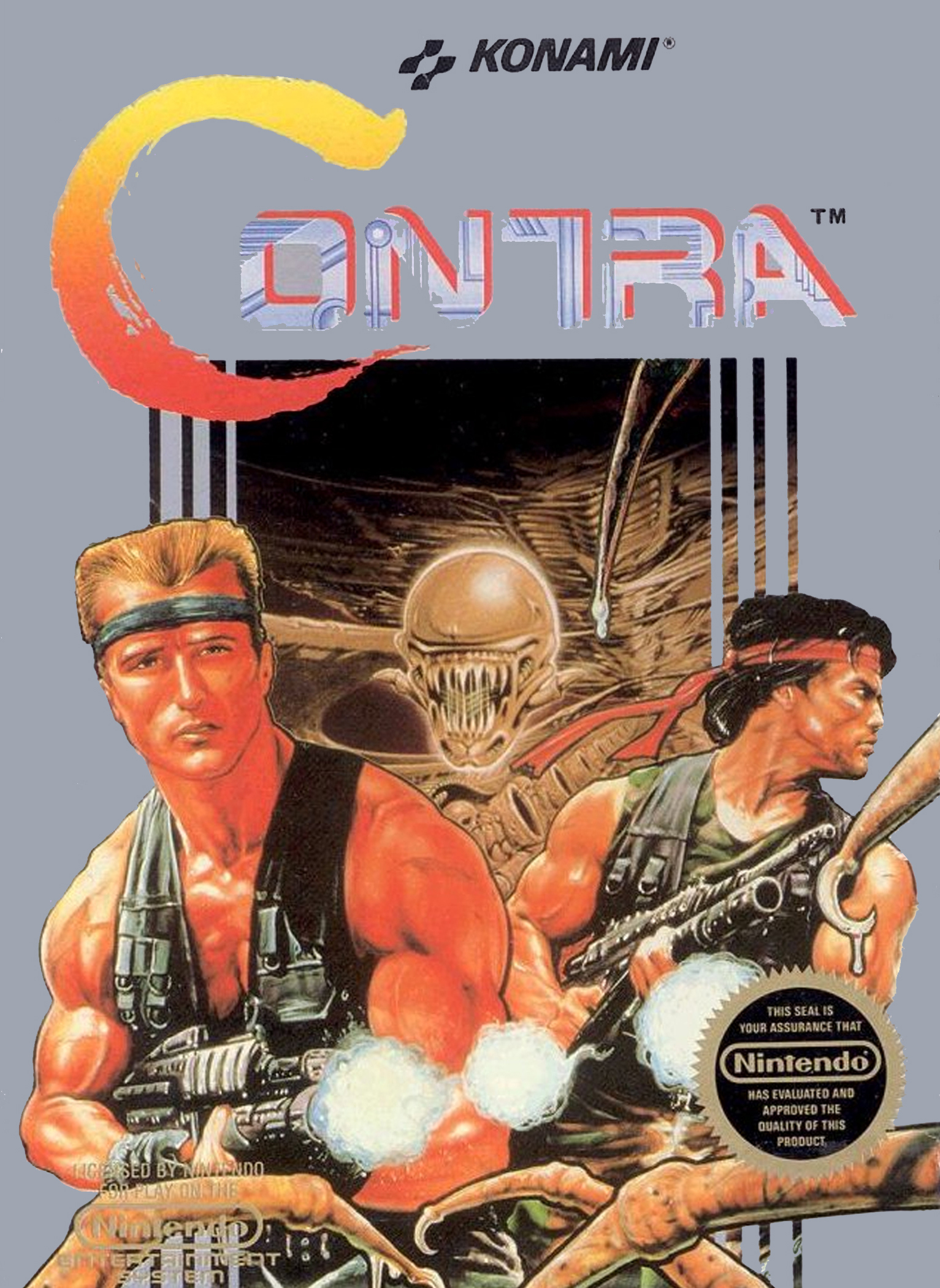
Contra
The co-op run-and-gun standard, Konami Code and all.
Konami's 1988 NES port of its 1987 arcade run-and-gun brought simultaneous two-player action home and made it a couch fixture. The spread gun and the famous thirty-lives input (up, up, down, down and the rest) are burned into NES memory, and it stands as the co-op benchmark the platform tends to be measured by.
Great -
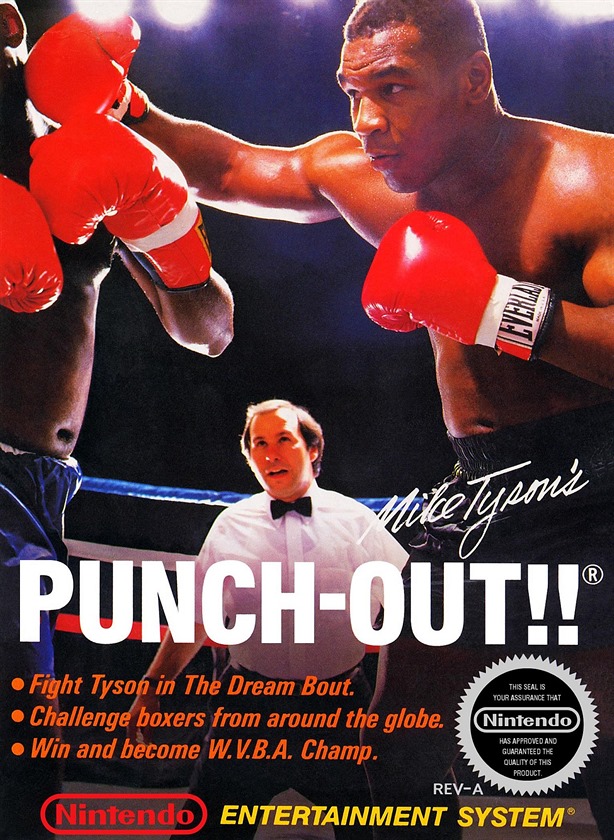
Mike Tyson's Punch-Out!!
Licensed-Tyson print is the definitive, most-wanted version.
Nintendo's 1987 North American release, produced by Genyo Takeda, paired sprite-heavy boxing puzzles with a licensed Mike Tyson as the final wall. When the Tyson deal lapsed in 1990 the game was reissued as Punch-Out!! featuring Mr. Dream, which is exactly what makes the original Tyson print the version collectors specifically hunt down.
Great -
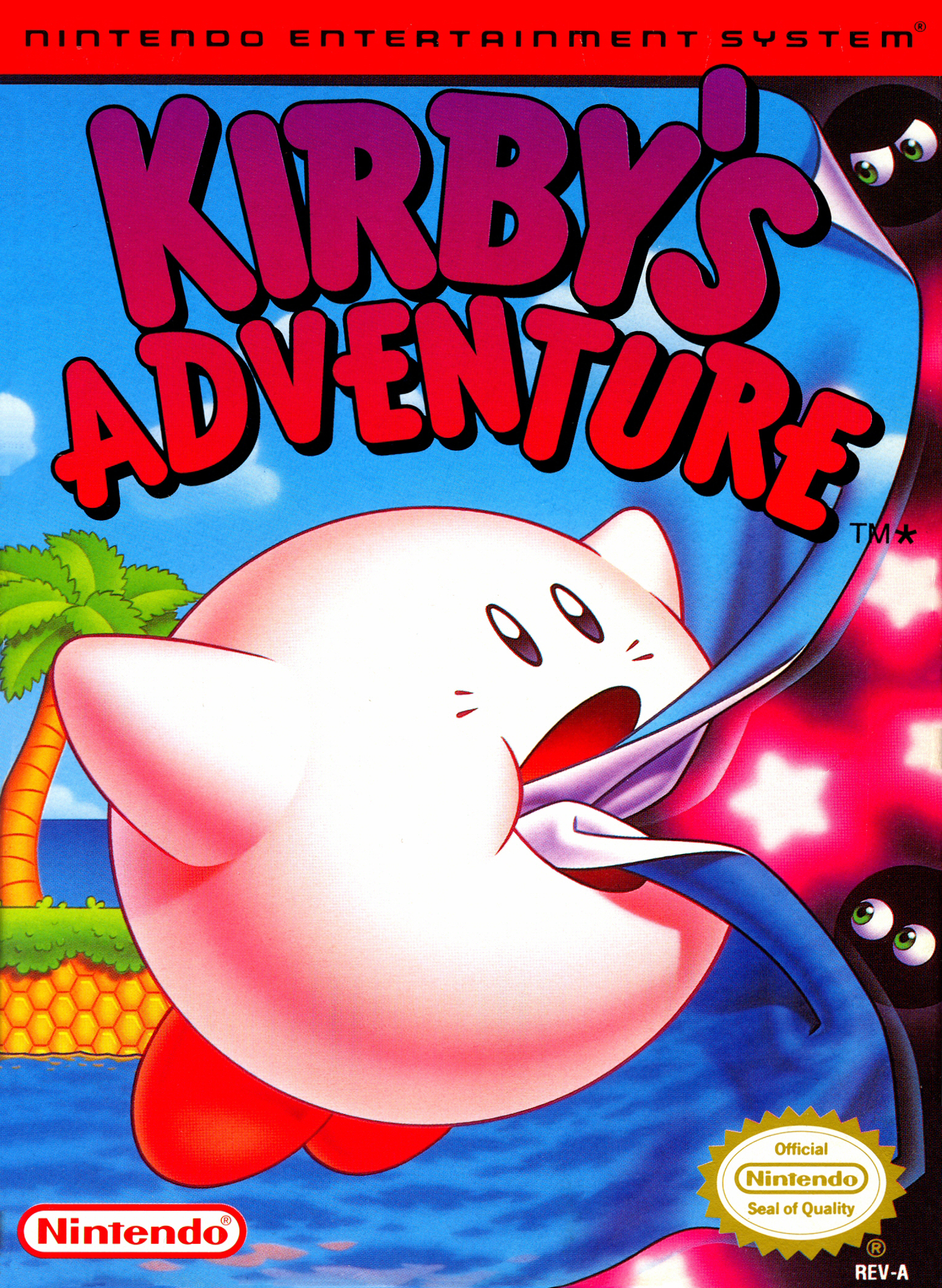
Kirby's Adventure
Late-life NES showpiece; copy abilities debut here.
HAL Laboratory's 1993 cart, directed by Masahiro Sakurai with music by Jun Ishikawa, arrived near the end of the NES run and pushed the aging hardware with big, colorful sprites and smooth animation. It's also where Kirby's signature copy abilities debut — the Game Boy original lacked them — making this a genuine series landmark rather than just a late-life technical showcase.
Great -
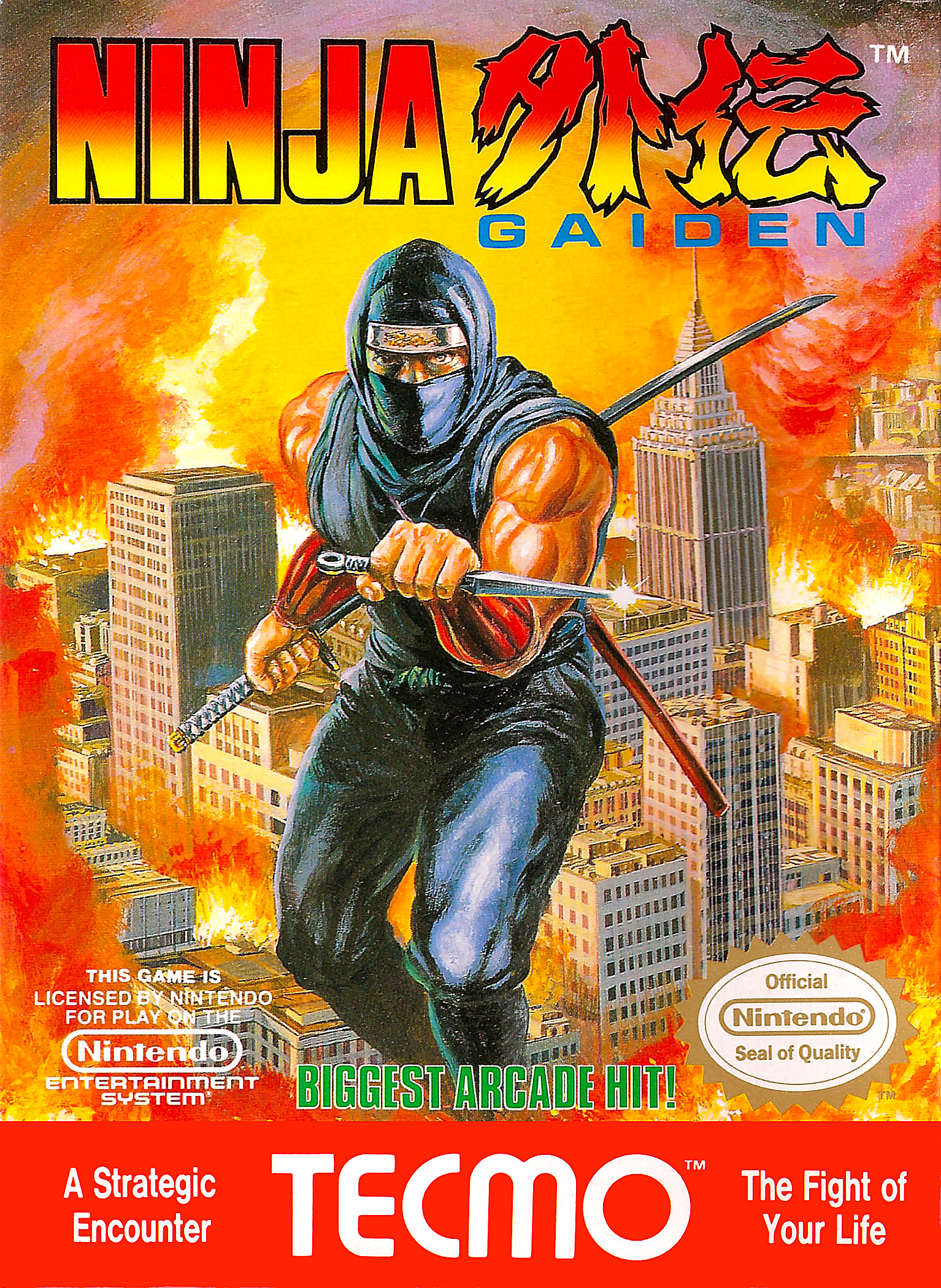
Ninja Gaiden
Cinematic cutscenes and brutal difficulty — a defining action cart (NGII also canon in our data).
Tecmo's 1989 North American cart wrapped punishing action-platforming in cinematic story cutscenes that were striking on the NES, giving the fights narrative stakes between the wall- clinging and the notoriously steep difficulty, all carried by Keiji Yamagishi's driving score. It defined a whole strand of console action games, and its sequel is strong enough to earn its own place in the canon.
Great -
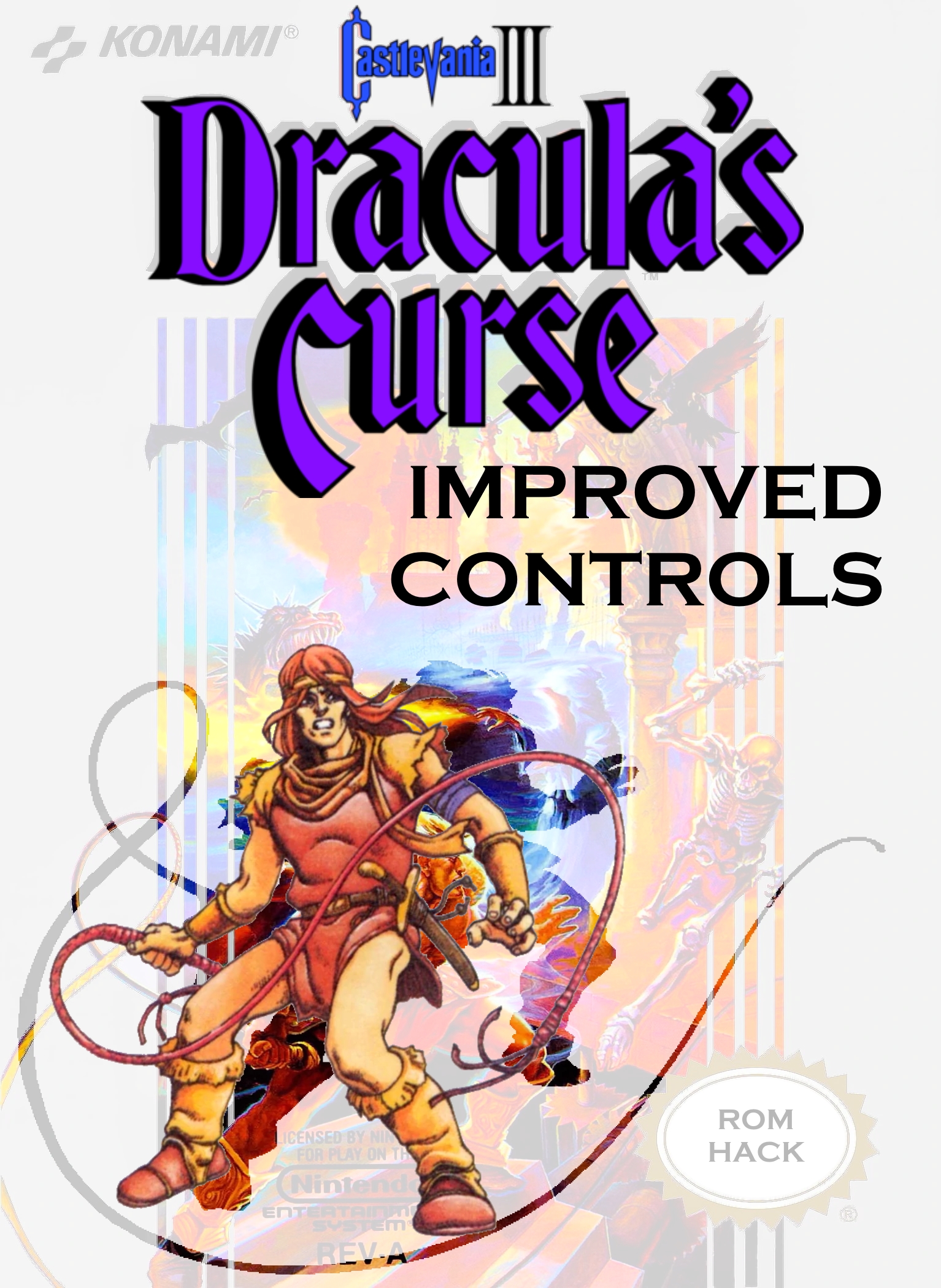
Castlevania III: Dracula's Curse
Branching paths and a landmark soundtrack; the 8-bit series' high point.
Konami's 1990 North American release opened the series up with branching routes and a party of playable allies — Grant, Sypha, and Alucard — swapped in and out on the fly. A collector's note: the Japanese Famicom version carried Konami's VRC6 chip for expanded audio the North American NES hardware couldn't reproduce, so the two regions genuinely sound different.
Great -
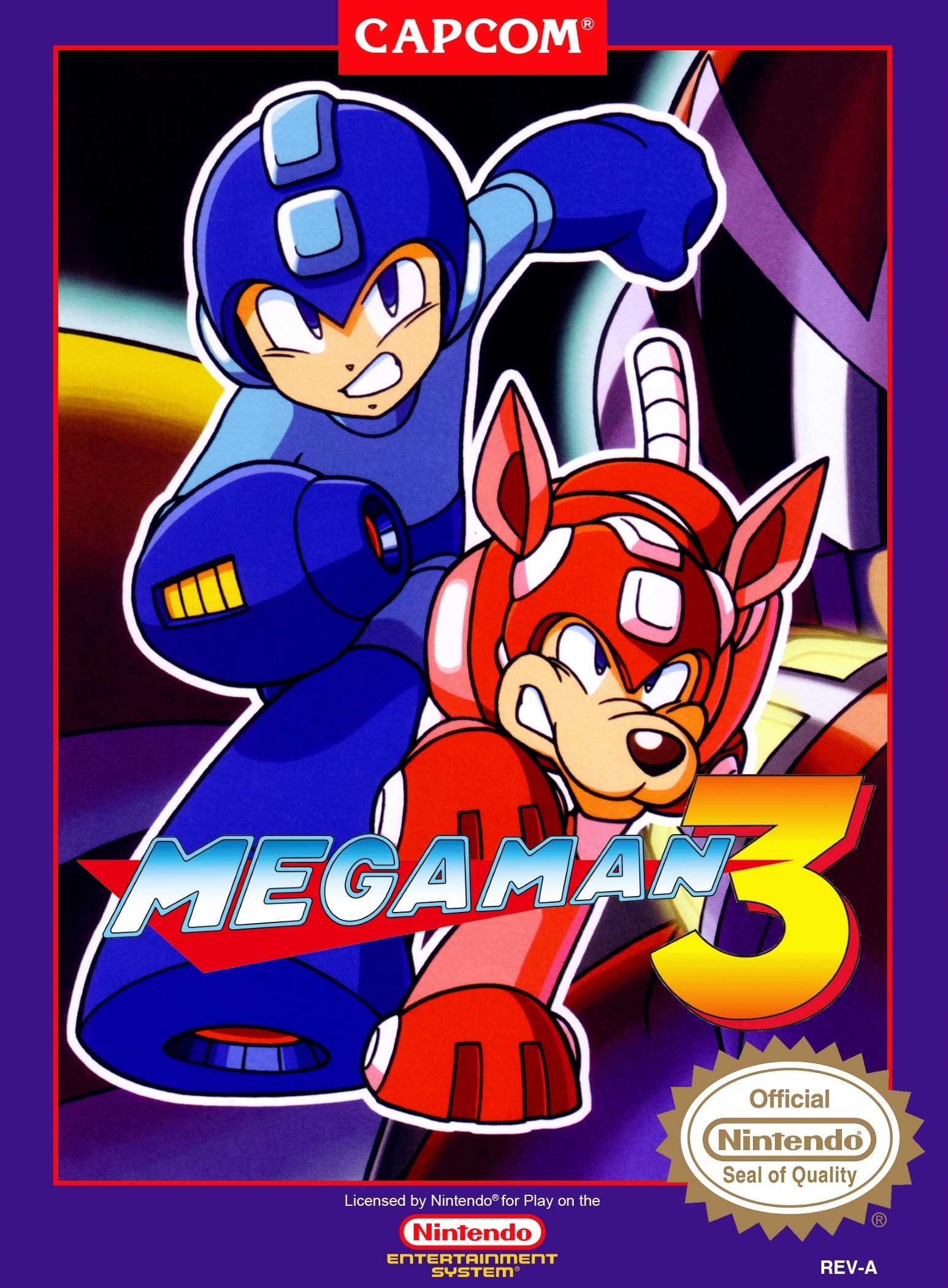
Mega Man 3
Slide, Rush, Proto Man — the fan-favorite sequel.
Capcom's 1990 sequel added the slide and Rush, Mega Man's transforming dog, and introduced Proto Man — expanding the moveset players had only just gotten comfortable with, over Yasuaki Fujita's score. It's the fan-favorite counterpart to Mega Man 2, and the two together anchor the series' 8-bit reputation on the NES.
Great -
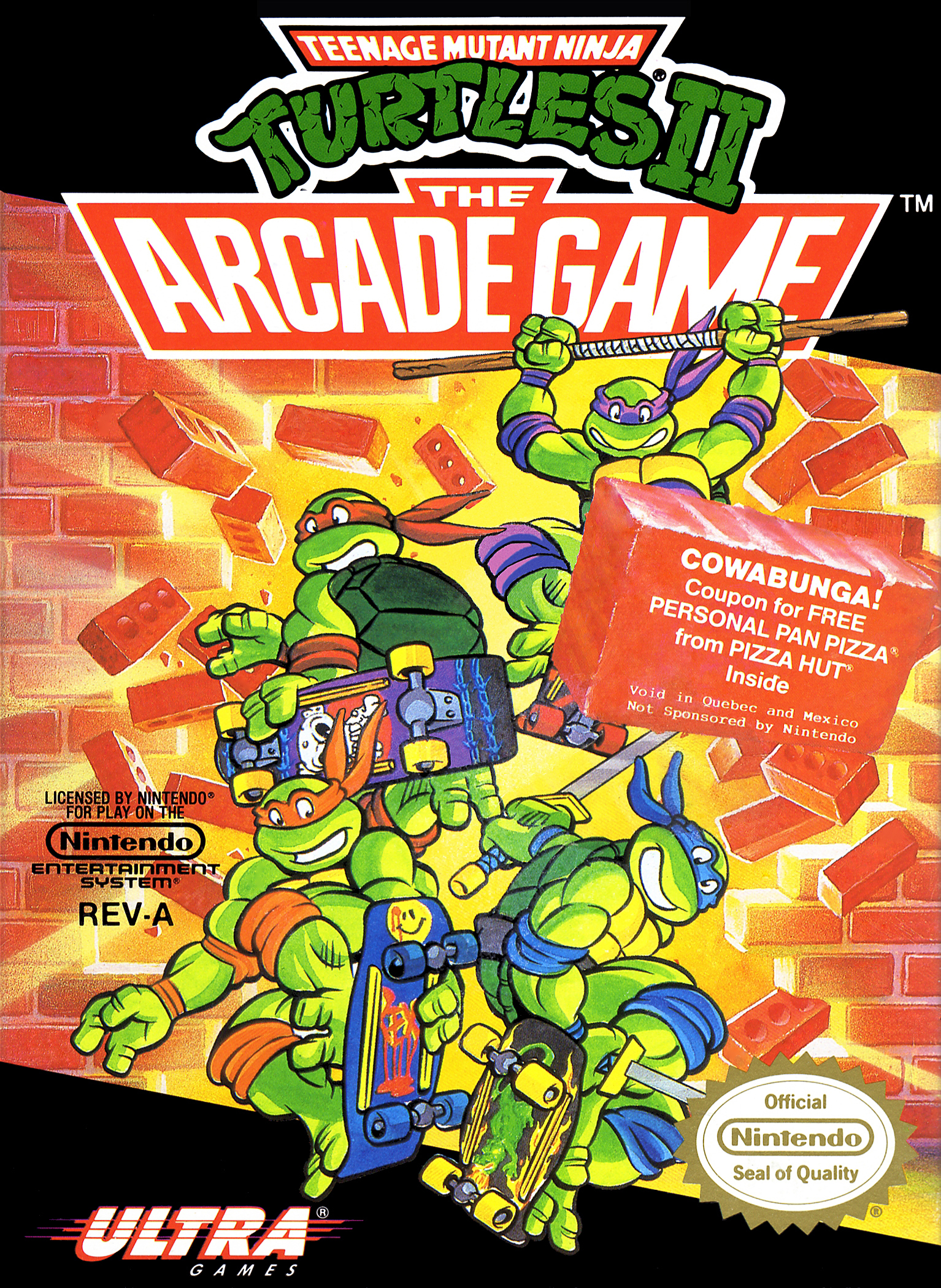
Teenage Mutant Ninja Turtles II: The Arcade Game
The beat-'em-up port that defined couch co-op on the console.
Konami's 1990 cart — released in North America under its Ultra Games label — squeezed the four- player arcade brawler down to a two-player NES version that still captured the co-op chaos and the cartoon's look. For a lot of players it was the beat-'em-up that simply lived in the console, and it remains one of the more sought-after licensed carts of the era.
Great -
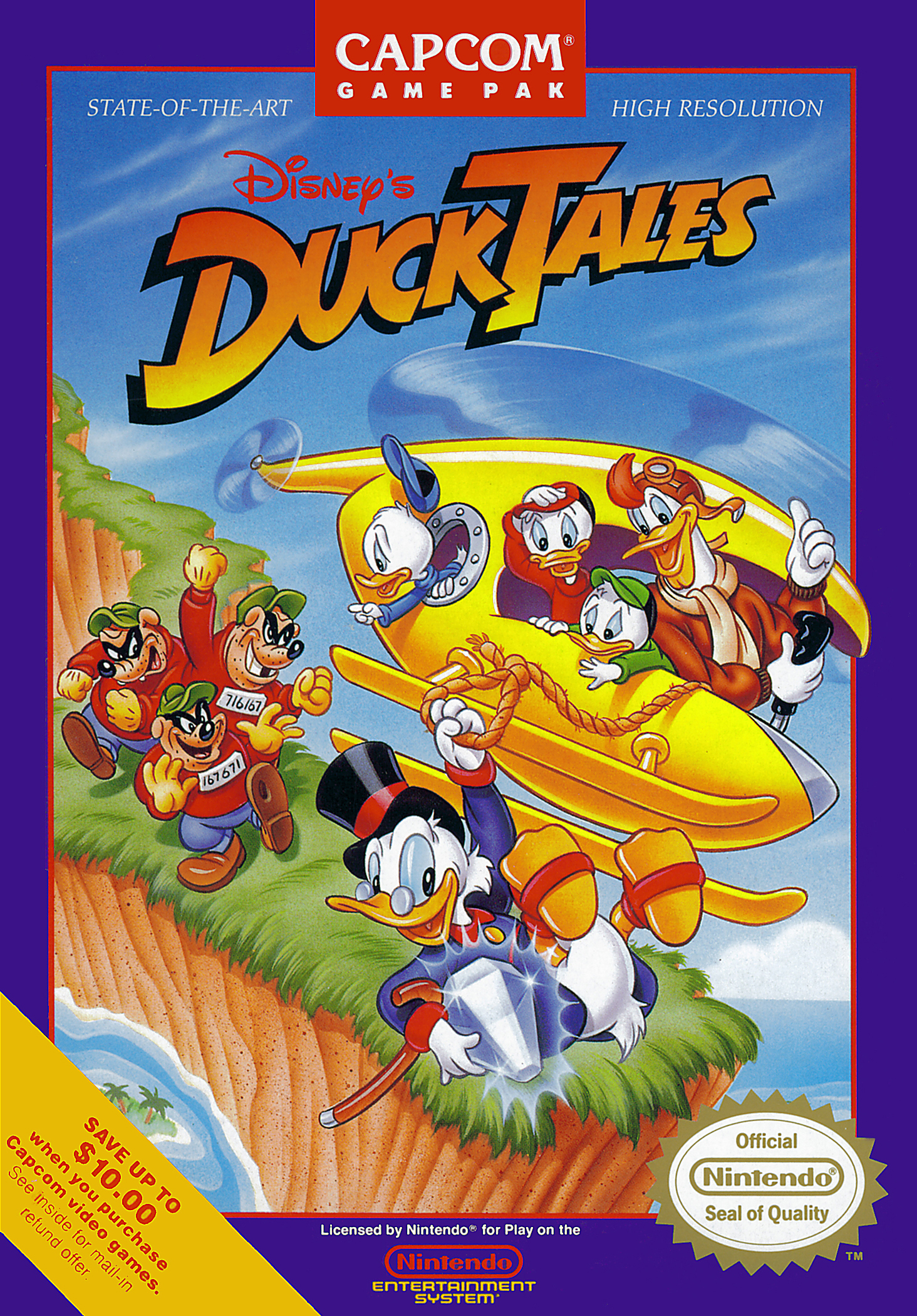
Disney's DuckTales
Capcom's pogo-cane platformer; still the reference "good licensed game."
Capcom's 1989 platformer handed Scrooge McDuck a pogo-style cane bounce and a set of non-linear stages topped by its endlessly-quoted Moon theme. The first Disney NES game Capcom developed in-house, decades on it's still the go-to example when anyone argues a licensed game can be genuinely great — rare company on the NES, and part of why it endures.
Great -
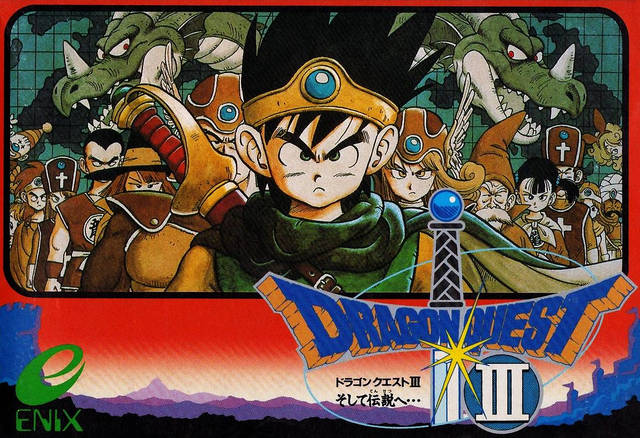
Dragon Warrior III
The RPG that hooked NA on the genre — the NES's console-RPG era in a single cart.
Enix's 1992 North American release — Dragon Quest III at home — brought Yuji Horii's class- based party system and a day-night world that felt vast on the NES, with Akira Toriyama's character designs and Koichi Sugiyama's score. Nintendo Power had earlier given the original Dragon Warrior away to build an RPG audience; this later entry is the one that convinced many North American players the console RPG was worth their time.
Great
Track your NES canon.
15 games, one free shelf. See which you already own.
Free forever. No trial. No credit card.